We picture millionaires in mansions and sports cars. The Millionaire Next Door took that image apart with data and the result has quietly reshaped how a generation thinks about wealth. Thomas Stanley and William Danko actually studied rich Americans and what they found was that the person mowing a modest lawn in an unremarkable neighborhood is far more likely to be a millionaire than the one leasing the flashy car.
What it's about
The book's central distinction is between being rich and looking rich. The authors profile people with high net worth and find that most got there not through big incomes or windfalls but through decades of frugality and discipline: buying modest homes, driving older cars, avoiding status spending and consistently investing the difference. They call these people prodigious accumulators of wealth.
Against them the book sets the under-accumulators: high earners who spend everything they make on the trappings of success and own surprisingly little. The lesson, repeated with study after study, is that wealth is a function of behavior, playing good financial defense, living below your means and prioritizing financial independence over social status, far more than of income. It also digs into telling patterns, like how giving adult children money often undermines their own wealth-building.
Why everyone's talking about it
The Millionaire Next Door became a personal-finance landmark, endlessly cited and foundational to the modern frugality and financial-independence movements. Its core finding, that the wealthy are usually the quiet, disciplined savers rather than the conspicuous spenders, has become received wisdom.
If you want a research-backed antidote to lifestyle inflation and status anxiety, this is a genuinely clarifying read. Be aware that the data is from the 1990s and some specifics feel dated and the writing is more academic than breezy. Come for the surprising portrait of who is actually rich and stay for a durable case that wealth is built quietly, one disciplined decision at a time.
The verdict, for now
Read it the next time you feel pressure to look successful. Come for the myth-busting data on real millionaires, stay for a permission slip to build wealth quietly and ignore the status game. It is proof that the least flashy path is usually the one that works.
Read it if you loved
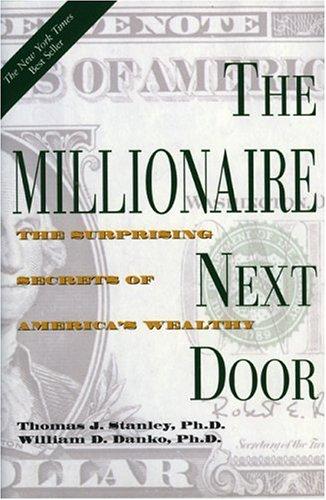
Ready to read The Millionaire Next Door?
Get it on Amazon →