Most personal finance books are about markets, assets and math. The Psychology of Money is about the person holding the money, which is exactly why it has resonated so widely. Morgan Housel's central insight is that financial success is a soft skill, driven by how you behave rather than what you know and he makes the case in a series of short, quietly wise essays you can read in an afternoon and think about for years.
What it's about
Housel argues that money decisions are never made on a spreadsheet in a vacuum. They are made at the dinner table, shaped by your upbringing, your ego, your fears and the particular slice of history you happened to live through. That is why a janitor can quietly amass a fortune while a Wall Street prodigy goes bankrupt: the difference is temperament, not intelligence.
Across nineteen standalone chapters he circles the traits that actually build wealth: patience and the miracle of compounding, humility about the role of luck, the freedom that comes from having enough, the danger of comparison and the underrated power of simply not panicking. He is more interested in helping you avoid catastrophic behavior than in picking the perfect investment and he writes with the calm, story-driven clarity that made him one of the most trusted finance writers around.
Why everyone's talking about it
The Psychology of Money became a runaway bestseller and a modern personal-finance classic, praised for saying something genuinely useful in a genre thick with noise. Its lessons get quoted constantly precisely because they are about human nature rather than fleeting market tactics.
If you want a wise, readable book that will make you a calmer and probably wealthier person over time, this is one of the best, accessible whether or not you know anything about investing. Readers looking for specific tactical advice, which funds to buy, how to budget, should know this is behavioral and philosophical rather than a how-to. Come for the memorable stories and stay for a healthier lifelong relationship with money.
The verdict, for now
Read it, then reread a chapter whenever the market makes you anxious. Come for timeless lessons on wealth and behavior, stay for a genuinely calming perspective that spreadsheets can never give you. It is the money book to hand someone who thinks they hate money books.
Read it if you loved
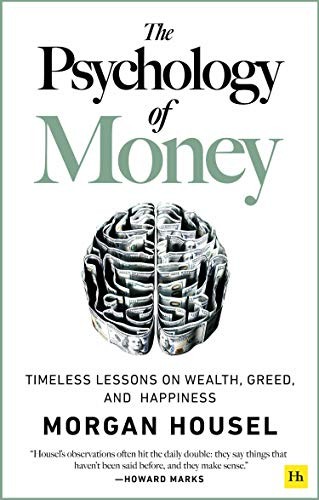
Ready to read The Psychology of Money?
Get it on Amazon →