At 1:23 a.m. on April 26, 1986, reactor Number Four at the Chernobyl nuclear power plant exploded. What followed was decades of secrecy, propaganda, myth. Adam Higginbotham spent more than ten years cutting through all of it. Drawing on hundreds of hours of interviews with survivors, declassified archives, letters, unpublished memoirs, he reconstructs the disaster minute by minute. The result reads like a thriller while holding up as serious history.
What it's about
The book follows the people inside the machine: plant director Viktor Brukhanov, deputy chief engineer Anatoly Dyatlov, the young operators in the control room running a safety test that went catastrophically wrong. Higginbotham traces the design flaws of the RBMK reactor, the culture of secrecy that kept those flaws hidden from the men operating it, the political pressure that pushed the Soviet nuclear program to cut corners for decades before that night.
Then it widens. Firefighters climb onto a burning roof without being told what they are absorbing. Pripyat, a model atomic city of nearly 50,000 people, empties into a fleet of buses. Liquidators shovel radioactive graphite in shifts measured in seconds. The Kremlin dissembles while a radioactive cloud drifts across Europe. The final chapters follow the trial of the plant's managers, then the slow unraveling of the Soviet state itself, which Gorbachev later suggested the disaster helped accelerate.
Why everyone's talking about it
Published in early 2019, months before HBO's Chernobyl miniseries turned the disaster into a global obsession, the book became the fact-checker's companion to the show. It won the 2020 Andrew Carnegie Medal for Excellence in Nonfiction; the New York Times named it one of the ten best books of 2019. Readers keep recommending it because it corrects the record: the death tolls, the villains, the physics are all messier than the myths suggest. It restores the human beings the Soviet state tried to erase.
The verdict, for now
This is narrative nonfiction operating at full power, though it demands attention. The cast runs to dozens of engineers, party officials, soldiers; keeping names straight takes real effort, so the character list at the back gets a workout. Some readers find the reactor physics sections dense, while the long aftermath chapters lose some of the propulsion of the explosion itself. Those are fair costs for what you get: the most complete, most vivid account of Chernobyl yet written in English. If you read one book on the disaster, make it this one.
Read it if you loved
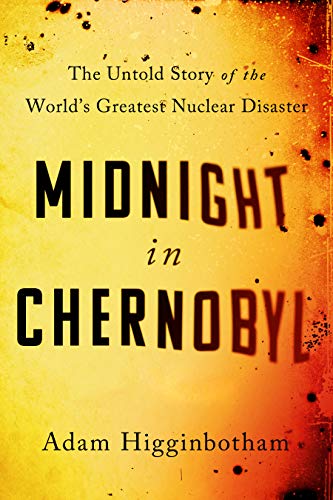
Ready to read Midnight in Chernobyl?
Get it on Amazon →