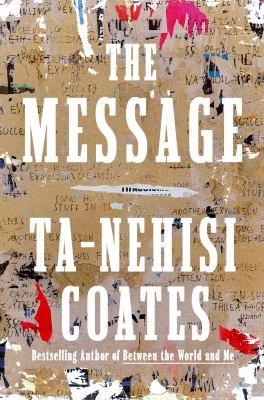
Nearly a decade after Between the World and Me made him one of the most quoted writers in America, Ta-Nehisi Coates returns to nonfiction with The Message, a slim, restless book about travel, myth and the moral weight of writing. It is less an argument than a series of reckonings and it finds him turning his famous scrutiny on the stories we tell, including his own.
What it's about
The book is built around three journeys. In Senegal, Coates confronts the gap between the romantic idea of a return to Africa and the complicated reality he finds. In South Carolina, he sits with teachers fighting to keep his own work on the shelves amid a wave of book bans. And in Palestine, he wrestles with a conflict he admits he long avoided and with what he sees there. Framed as a letter to his writing students, the whole book asks a single stubborn question: what does a writer owe the truth.
Coates is interested less in tidy conclusions than in the discomfort of looking honestly. He examines how nations and movements build myths to sustain themselves, how those myths can comfort and deceive at once and how a writer complicit in myth-making bears a particular responsibility. It is intimate, essayistic and unafraid to sit in uncertainty.
Why everyone's talking about it
Anything Coates writes is a literary event and The Message became one of the year's most discussed and most debated books, especially for its chapter on Palestine, which drew intense reaction from every direction. That controversy is inseparable from the book's core subject: who gets to tell a story and what happens when they do.
If you value searching, beautifully written nonfiction that prizes honesty over comfort, this is essential Coates. Readers looking for neutral reportage should know this is a personal, opinionated work of witness and its final section in particular is deliberately provocative. Come for the travel and the prose and stay for a hard, principled meditation on truth and power.
The verdict, for now
Read it and be willing to argue with it. Come for Coates on the road, stay for a bracing inquiry into what writing is for. It is short, serious and built to unsettle, exactly as he intends.
Read it if you loved
Ready to read The Message?
Get it on Amazon →