We know how the Bill Gates story ends: the fortune, the foundation, the elder-statesman-of-tech role. Source Code is interesting precisely because it stops long before any of that. This first volume of his memoir is about the kid, not the tycoon and it turns out the beginnings are the most human part of the whole arc.
What it's about
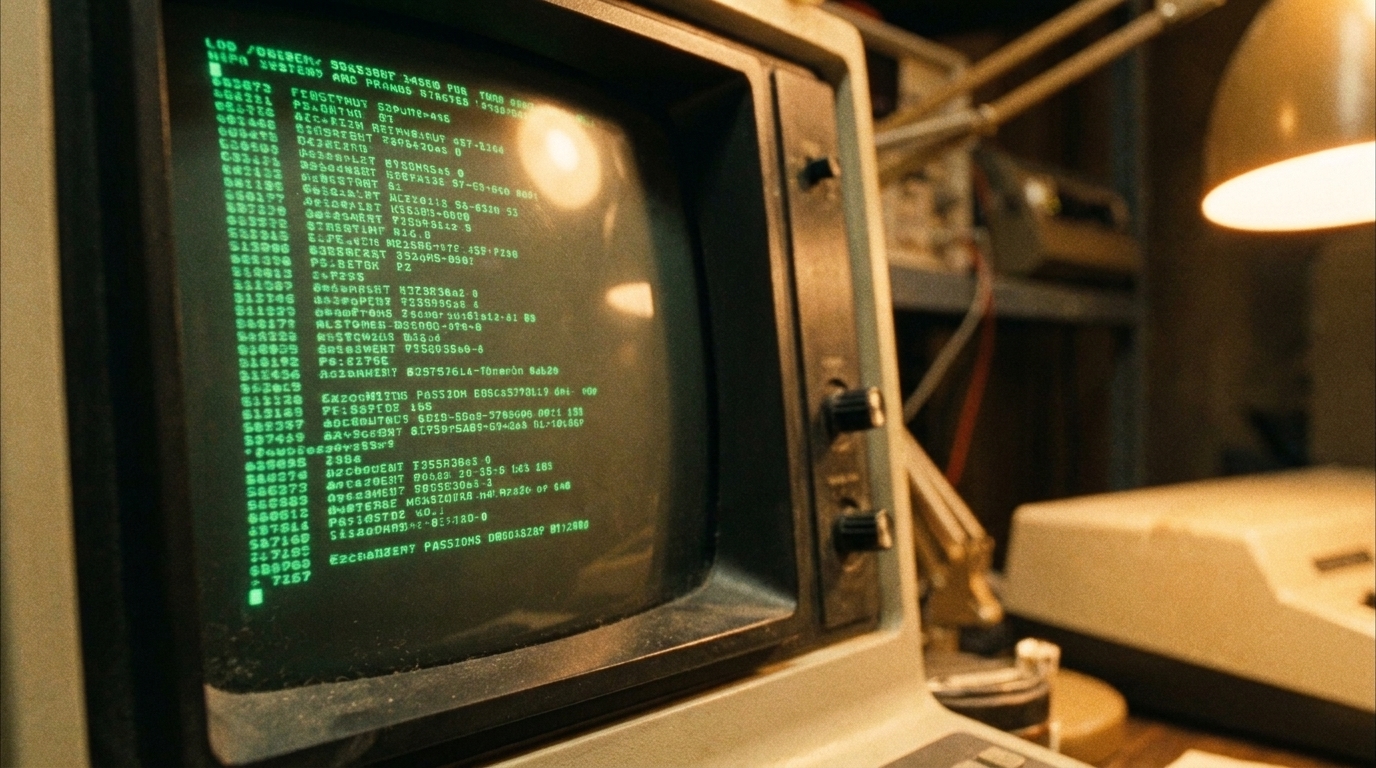
Gates takes us back to Seattle and a childhood defined by relentless curiosity, a difficult intensity that strained his family and a mind that latched onto problems and would not let go. The pivotal moment is not a boardroom but a school teletype terminal, the first computer he ever touched and the friendships, especially with Paul Allen, that formed around a shared obsession with what these machines could do.
From there it follows the improbable path most people only know as a headline: the late nights, the early software hustles and finally the decision to drop out of Harvard and bet everything on a company called Microsoft, at the exact moment the personal computer was about to exist. Gates is unusually candid about his own wiring, reflecting on traits that today might be described as neurodivergent and about the luck and privilege that sat alongside the talent.
Why everyone's talking about it
A Bill Gates memoir is a publishing event on its own, but Source Code earned its attention by being more reflective and less self-congratulatory than readers expected. It is also a vivid document of a specific, now-mythologized moment in tech history, told by one of the few people who was actually in the room.
If you love origin stories, tech history or candid memoirs about ambition and family, this is a genuinely engaging read. Readers hoping for gossip about the Microsoft antitrust years or the foundation should note this volume ends early, before most of that. Come for the front-row seat at the dawn of personal computing and stay for a more honest self-portrait than you might expect.
The verdict, for now
Read it, especially if the mythology has always felt a little airbrushed. Come for the birth of Microsoft, stay for the restless, complicated kid underneath the legend. It is the rare founder memoir more interested in the beginning than the victory lap.
Read it if you loved
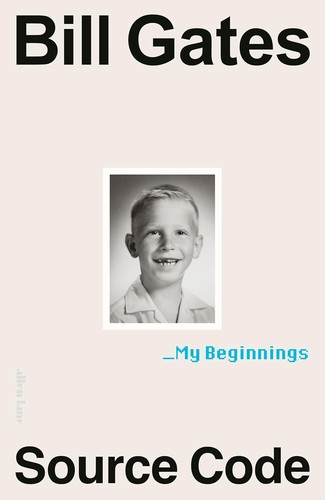
Ready to read Source Code?
Get it on Amazon →