Jeannette Walls kept her childhood a secret for decades while working as a gossip columnist in Manhattan. Then she wrote it all down. The Glass Castle, first published in 2005, spent years on the New York Times bestseller list because it does something most memoirs of hardship never manage: it refuses to ask for your sympathy while earning it on every page.
What it's about
Walls grew up in a family that treated stability as a trap. Her father, Rex, was a brilliant, charismatic alcoholic who taught his kids physics and geology between binges; he promised for years to build the family a glass castle in the desert. Her mother, Rose Mary, was a self-described "excitement addict" who preferred painting to feeding her children. The family moved constantly through the Southwest, sometimes fleeing bill collectors, sometimes fleeing nothing at all, before landing in the bleak mining town of Welch, West Virginia.
The second half follows the Walls children as they engineer their own escape, saving money one by one to flee to New York. Jeannette becomes a successful journalist while her parents end up squatting in an abandoned building, homeless by something close to choice. The book opens with Walls in a taxi, spotting her mother rooting through a dumpster; the whole memoir is her working out how both of those lives could come from one family.
Why everyone's talking about it
The Glass Castle has become one of the defining memoirs of its generation, adapted into a 2017 film starring Brie Larson; it remains a staple of book clubs, school reading lists, banned-books lists too, since its frank depictions of poverty, alcoholism plus a disturbing incident with a grandmother keep drawing challenges. Readers keep returning to it because Walls writes about her parents with love instead of blame, which is either the book's great strength or its central provocation, depending on who you ask.
The verdict, for now
This is a genuine classic of the form: propulsive, novelistic, told in clean scenes that stick with you for years. The fair criticism is that Walls's refusal to judge her parents can shade into something like absolution; some readers finish the book feeling the neglect was more charming than it had any right to be, while the adult New York years feel rushed compared to the vivid childhood chapters. Skeptics also note that scenes recalled from age three carry a novelist's polish that pure memory rarely provides. None of that sinks it. If you read one memoir about surviving your own family, this is still the one.
Read it if you loved
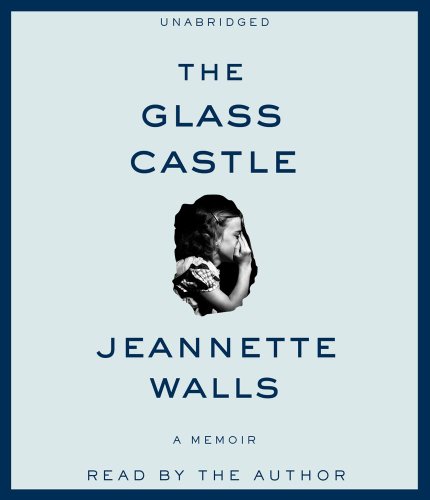
Ready to read The Glass Castle?
Get it on Amazon →