Al Pacino waited until 84 to tell his own story and Sonny Boy reads like he is telling it to you across a kitchen table at midnight: looping, profane, sentimental, alive. The title comes from the Al Jolson song his mother sang to him in the South Bronx. The book is his attempt to explain how a sickly kid from a tenement, raised by his grandmother after his mother's early death, became the actor of his generation and nearly lost everything more than once along the way.
What it's about
The early chapters are the strongest. Pacino recalls a Bronx boyhood spent running rooftops with three inseparable friends, almost all of whom would die young from drugs. Acting was less an ambition than an escape hatch: a teacher spotted something, the HB Studio took him in and the Actors Studio under Lee Strasberg finished the job. He was homeless for stretches, sleeping in theaters, absolutely certain about only one thing.
Then comes The Godfather, told from the inside: how badly he wanted to refuse it, how close Paramount came to firing him during filming and how Michael Corleone's stillness changed screen acting. The rest sweeps through Serpico, Dog Day Afternoon, Scarface, the flops he defends, the Oscar for Scent of a Woman and the bewildering discovery in his seventies that a trusted money manager had left him broke, which explains some of the paycheck roles that followed. It ends with late fatherhood and a man frankly amazed to still be here.
Why everyone's talking about it
Celebrity memoirs are usually sanded smooth by ghostwriters. This one kept its splinters. Reviewers were split on the meandering structure but nearly unanimous that the voice is unmistakably, unfilterably Pacino, closer to a long monologue than a manuscript. The Bronx material earned comparisons to the great New York coming-of-age memoirs and the Godfather chapters instantly became required reading for film lovers.
The verdict, for now
If you want a tidy career retrospective with dates and discipline, this is not that book. Chronology wobbles, tangents win and some famous chapters of his life get a paragraph while a childhood dog gets three pages. That is also the charm. Sonny Boy is less a memoir than a performance of memory. For anyone who cares about acting, movies or the vanished Bronx that made him, it is worth every detour.
Read it if you loved
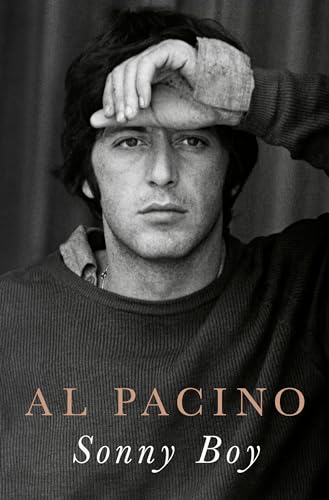
Ready to read Sonny Boy?
Get it on Amazon →