Michelle McNamara died in 2016 with this book half finished. Two years later it was published anyway; two months after publication, police arrested the man she had spent a decade hunting. No true crime book has ever had timing like that. Few read like this one either: obsessive, humane, unusually honest about what the hunt costs the hunter.
What it's about
Between 1974 and 1986, one man committed roughly 50 sexual assaults and at least 13 murders across California. Because he operated in different regions under different case names, the East Area Rapist in Sacramento, the Original Night Stalker in Southern California, law enforcement took decades to connect the crimes. McNamara, a crime writer who ran the blog True Crime Diary, gave him the name that stuck: the Golden State Killer. The book traces both his crimes and her years-long investigation through police files, online forums, victim interviews and conversations with detectives who never let the case go.
McNamara died unexpectedly in April 2016 with the manuscript unfinished. Her lead researcher Paul Haynes worked with journalist Billy Jensen to assemble the remaining sections from her notes, drafts and previously published articles. Gillian Flynn wrote the introduction; McNamara's husband, comedian Patton Oswalt, wrote the afterword. When the book arrived in February 2018, it debuted at number one on the New York Times nonfiction bestseller list.
Why everyone's talking about it
In April 2018, two months after publication, police arrested Joseph James DeAngelo, a former police officer identified through genetic genealogy. He later pleaded guilty to 13 murders. Investigators said the book did not directly crack the case, yet McNamara's work is widely credited with keeping public pressure alive when the trail had gone cold. The arrest turned an acclaimed book into a phenomenon; a 2020 HBO documentary series directed by Liz Garbus cemented its status as one of the defining true crime works of the decade.
The verdict, for now
The seams show, because they have to. The chapters McNamara finished are extraordinary: precise, empathetic, attentive to victims as people rather than plot points. The sections reconstructed from her notes are choppier, with timelines that jump and threads that trail off. Readers who want a tidy procedural may find the structure frustrating. But the raggedness is part of the story. This is a book about obsession, left incomplete by the woman it consumed, finished by people who loved her. As true crime, it is very good. As a document of devotion, it has few equals.
Read it if you loved
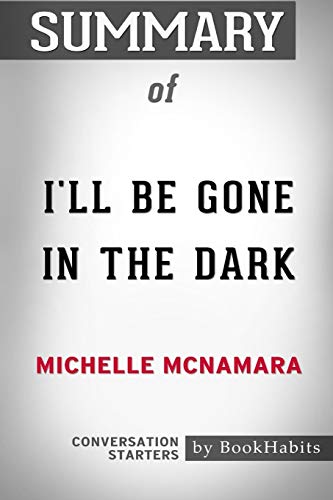
Ready to read I'll Be Gone in the Dark?
Get it on Amazon →