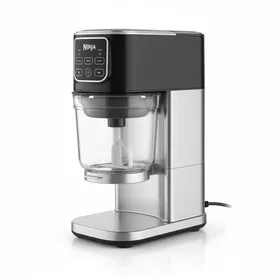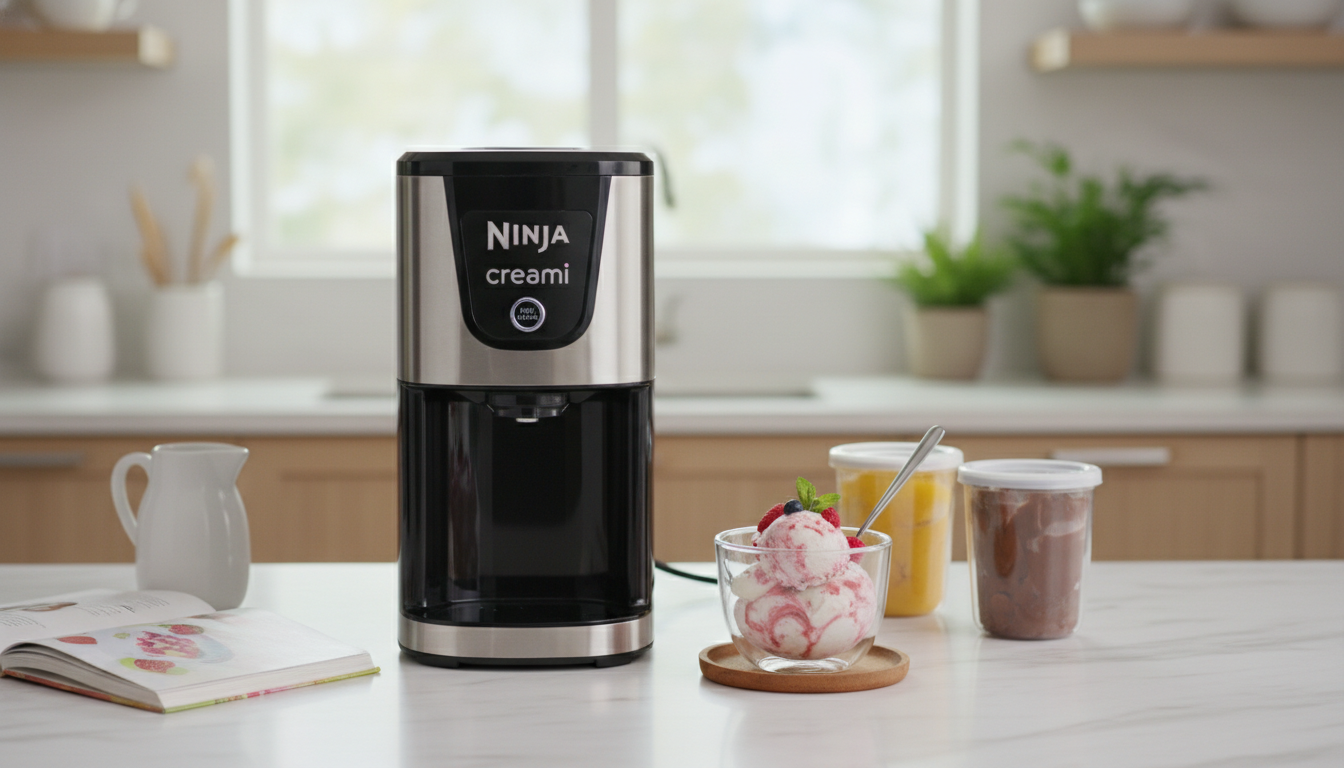
The Ninja Creami NC301 costs $199.99 and produces single-serving ice cream, sorbet, gelato, and smoothie bowls in about two to three minutes of processing time. If you eat frozen treats at least once a week and care about controlling your ingredients, this machine is worth buying. If you want large batches, have roommates to feed, or only indulge occasionally, your money is better spent elsewhere.
The Ninja Creami earns its price for frequent frozen treat makers who want full ingredient control and the flexibility to make everything from protein ice cream to dairy-free sorbet.
What the Ninja Creami Actually Is
The Ninja Creami is not a traditional ice cream maker. Traditional churners use a dasher blade to aerate cream as it freezes, typically over 20 to 40 minutes. The Creami works in reverse: you freeze a pre-made base in a proprietary 16-ounce pint container for at least 24 hours, then insert that frozen pint into the machine. The machine's high-speed blade plunges down through the frozen block, shaving and processing it into a creamy texture in roughly two minutes.
This difference matters for how you plan around it. The Creami requires 24-hour advance preparation every single time. You are not making impulse ice cream. You are running a system where you always have pints in the freezer ready to process. Once you build that habit, it becomes second nature. If you cannot commit to that workflow, the machine sits unused.
The NC301 model includes seven processing modes: Ice Cream, Sorbet, Gelato, Milkshake, Mix-In, Smoothie Bowl, and Lite Ice Cream. It comes with two 16-ounce pint containers, lids for freezing, and a storage lid.
What We Liked
The Texture Is Genuinely Impressive
The most common skepticism about the Ninja Creami is whether it actually produces real ice cream texture or something closer to a frozen smoothie. After testing dozens of bases, the answer is: it produces texture that is indistinguishable from scoop-shop ice cream when you use a proper recipe.
A standard base of 1 cup heavy cream, 1 cup whole milk, one-third cup sugar, and a tablespoon of vanilla extract, frozen overnight and processed on Ice Cream mode, comes out silky and scoopable. No ice crystals. No gritty texture. The machine shaves the frozen block so finely that fat molecules re-emulsify into a smooth, dense product.
The key is fat content. Bases with at least 10 to 12 percent fat content process beautifully. Low-fat bases (like almond milk ice cream) require a Re-spin cycle and sometimes two, but they still produce a serviceable result.
The Protein Ice Cream Use Case Is Compelling
The Ninja Creami built a significant portion of its fanbase on high-protein, low-calorie ice cream. A base of 1 cup fairlife protein shake, one-third cup cottage cheese, and a tablespoon of powdered sweetener freezes and processes into something that genuinely resembles soft-serve. At roughly 25 to 35 grams of protein and 200 to 300 calories per pint, it scratches the dessert itch without derailing a fitness goal.
This is the use case that converts skeptics. The machine produces something no other appliance replicates at this price point: high-protein frozen dessert with actual ice cream texture.
Ingredient Control Is Unmatched at This Price
You control every ingredient. No stabilizers, no artificial flavors, no mystery gums. You can make dairy-free sorbet with just fruit, sugar, and water. You can make keto ice cream with heavy cream and allulose. You can make mango sorbet with two ingredients. The machine does not care what you freeze into the pint, as long as the base is solid.
For households with dietary restrictions, whether dairy-free, gluten-free, or low-sugar, this matters enormously. Commercial frozen desserts compromise everywhere. The Creami does not force any compromise.
Mix-Ins Work Exactly As Advertised
The Mix-In mode is not a gimmick. After processing a plain vanilla base, you carve a small well into the center, add your mix-ins (chocolate chips, brownie chunks, crushed cookies, anything), and run Mix-In mode. The blade folds them in without pulverizing them. You get intact chocolate chip cookies in your ice cream, just like a pint from a premium brand.
This feature alone justifies the machine for anyone who buys Ben & Jerry's regularly. A pint of comparable quality from the Creami costs roughly $2 to $4 in ingredients versus $6 to $8 retail.
The Learning Curve Flattens Quickly
The first two or three pints will likely produce imperfect results. Either the base was too solid and the machine struggled, or the recipe had too little fat and came out icy. By pint four or five, most users find a recipe formula that works reliably and repeat it with variations. The Reddit community at r/ninjacreami has over 400,000 members sharing recipes and troubleshooting, which significantly shortens the learning curve.
What We Did Not Like
The 24-Hour Wait Is a Real Limitation
This is not a small inconvenience. The 24-hour minimum freeze time is a hard requirement baked into how the machine works. You cannot decide at 6 PM that you want ice cream tonight. You have to decide yesterday.
For households that eat ice cream spontaneously, this friction is significant. You adapt by keeping three or four pints rotating in the freezer, but that requires planning and freezer space. If your freezer is already packed, adding four frozen pints permanently is a genuine space cost.
The Machine Is Loud
The Ninja Creami operates at roughly 90 to 95 decibels during processing. This is comparable to a vacuum cleaner or a loud blender. The processing cycle lasts about two minutes, so the noise window is short, but it is not quiet. Running it at 6 AM or in an apartment with thin walls will disturb people.
The noise comes from the motor driving a blade through a completely frozen solid block. There is no engineering shortcut around this. It is the loudest kitchen appliance in most homes.
One Pint Per Cycle
Each processing cycle produces one 16-ounce pint, approximately two to three servings. If you are feeding four or more people, you need multiple pints processed in sequence. Each cycle takes about two minutes plus setup and cleanup, so feeding a table of four means running the machine two to three times. This is manageable but noticeably slower than scooping from a gallon container.
The NC501 Deluxe model includes a larger 24-ounce container, which helps, but the base machine is strictly one pint at a time.
Cleaning Requires Attention
The pint container and lid are dishwasher safe. The outer bowl that holds the pint during processing is not dishwasher safe and requires hand washing. The blade assembly, which sits inside the lid mechanism, needs rinsing after each use. None of this is difficult, but it adds three to four minutes of cleanup that a standard ice cream scoop does not require.
The machine's outer body cannot be submerged. You wipe it down. The interface is straightforward to keep clean.
The Proprietary Pint Problem
You can only use Ninja's proprietary pint containers. Generic containers do not fit the machine's clamping mechanism. Ninja sells replacement pints for approximately $13 to $17 for a two-pack. If a pint cracks or gets lost, you need to buy from Ninja. This is a minor friction point but a real one.
Ninja Creami Ice Cream Maker NC301
Best for: Frequent ice cream makers who want ingredient control and protein-friendly options
Buy it if you eat frozen treats at least weekly and want to control ingredients. Skip it if you want spontaneous dessert or need to serve more than two people at once.
Buy on Amazon →Affiliate linkAlternatives to Consider
Not everyone is the right customer for the Ninja Creami. Here are three alternatives worth evaluating honestly.
Cuisinart ICE-21: Best for Budget Buyers and Larger Batches
The Cuisinart ICE-21 costs $69.99 and produces 1.5 quarts per batch, roughly three times the Creami's capacity. You pre-freeze the bowl for eight hours, pour in your liquid base, and churn for 20 to 25 minutes. It makes traditional churned ice cream with good texture, especially at full-fat dairy bases.
The trade-off: it does not produce the Creami's silky, dense texture. It makes lighter, airier ice cream because of the churning process. It cannot make protein ice cream or low-fat bases that taste convincing. It holds only one frozen bowl, so back-to-back batches are not possible without a second bowl ($25 to $30 separately).
Buy the Cuisinart ICE-21 if: You want to serve four or more people, your budget is under $100, and you want traditional churned ice cream texture with simple dairy bases.
Buy on Amazon →AffiliateNinja Creami Deluxe NC501: Best for Households Needing More Capacity
The Deluxe NC501 costs $229.99 and adds a 24-ounce Creamify Max container (50 percent larger than the standard pint), four additional processing modes (including Frozen Drinks and Italian Ice), and one extra standard pint. If you regularly make ice cream for three or four people, the larger container meaningfully reduces the number of cycles you run.
The NC501 uses the same core technology as the NC301. If you are satisfied with the NC301's performance and only wish it made larger portions, the Deluxe is a direct upgrade. If you are on the fence about the concept entirely, start with the NC301.
Buy the NC501 if: You love the Creami concept but need to serve three or four people regularly.
Buy on Amazon →AffiliateSkip the Creami Entirely If: You Want Quick, No-Plan Dessert
If your household's ice cream habit is spontaneous, two or three times a week with no advance planning, the Creami's 24-hour prep cycle will frustrate you consistently. A $6 pint of Häagen-Dazs from the grocery store requires zero planning and delivers an excellent product. There is no shame in that calculus.
Final Verdict
The Ninja Creami NC301 is a well-designed machine that does exactly what it promises. It produces ice cream texture from frozen bases in two minutes. It handles dairy-free, low-fat, high-protein, and full-fat recipes with equal competence. The Mix-In mode works. The seven processing modes are genuinely differentiated.
The machine does not suit everyone. The 24-hour freeze requirement is non-negotiable. The noise is real. The single-pint capacity limits batch feeding. If those constraints fit your lifestyle, the Creami is one of the most genuinely useful kitchen appliances introduced in the last decade.
At $199.99, the break-even point versus buying premium ice cream is roughly 25 to 30 homemade pints. At two pints per week, that is three to four months. Beyond that, you are saving money on every pint while eating better ice cream with full ingredient control.
For weekly frozen treat makers who want ingredient control, the Ninja Creami pays for itself within four months and produces better ice cream than most premium retail brands.