
Mouth tape for sleeping has gone from obscure biohacking trend to mainstream wellness practice, fueled by TikTok videos and bestselling books like James Nestor's Breath. The premise is simple: tape your mouth shut at night to force nasal breathing, reduce snoring, and improve sleep quality. But do mouth tapes actually work, and are they safe? We looked at the available research, consulted expert guidance from sleep medicine professionals, and evaluated the most popular products and alternatives to give you a clear answer.
Mouth taping shows promise for mild mouth breathers and light snorers, but the research is still limited. For moderate to severe snoring or suspected sleep apnea, a nasal dilator or medical evaluation is a safer, more effective starting point.
What Mouth Taping Is (and Why People Are Doing It)
Mouth taping involves placing a small strip of adhesive tape over or across the lips before sleep. The goal is to keep the mouth closed, encouraging air to flow through the nasal passages instead. Nasal breathing filters, warms, and humidifies air before it reaches the lungs. It also promotes nitric oxide production in the sinuses, which helps dilate blood vessels and improve oxygen absorption.
Proponents claim mouth taping can reduce snoring, decrease dry mouth, lower the risk of dental problems caused by mouth breathing, and even improve deep sleep quality. The practice gained significant traction after Andrew Huberman and other wellness influencers began discussing nasal breathing benefits on their podcasts.
The appeal is understandable. Roughly 61% off adults self-identify as mouth breathers during sleep, according to a 2020 survey published in the journal Healthcare. Chronic mouth breathing is linked to dry mouth, bad breath, gum disease, and poor sleep quality. If a $10 roll of tape could fix all that, it would be a genuine bargain.
What the Research Actually Says
Here is where things get complicated. The evidence for mouth taping is promising but thin. Most studies are small, short-term, or lack proper control groups.
The Supporting Evidence
A 2022 study in Bioengineering tested porous oral patches on 30 subjects with habitual snoring. The patches reduced mouth breathing events and snoring intensity in most participants, with no serious adverse effects reported. Another 2024 study published in Sleep and Breathing found that lip taping improved subjective sleep quality scores in a group of 20 mild snorers over four weeks.
Survey data from mouth tape brands (take this with a grain of salt, given the obvious bias) suggests that 70 to 85% of users report reduced snoring and better morning energy after two weeks of consistent use.
The Gaps
No large-scale, double-blind, placebo-controlled trial has been published on mouth taping as of early 2026. The American Academy of Sleep Medicine has not issued a formal recommendation for or against the practice. Most sleep medicine specialists describe it as "low risk for healthy adults" but emphasize it is not a substitute for treating underlying conditions like obstructive sleep apnea (OSA).
The Bottom Line on Efficacy
Mouth taping likely helps mild, habitual mouth breathers transition to nasal breathing during sleep. For light snorers without apnea, it may reduce snoring frequency and intensity. But for anyone with moderate to severe snoring, nasal congestion, or suspected sleep apnea, mouth taping alone is insufficient and potentially counterproductive. If you cannot breathe comfortably through your nose while awake with your mouth closed, taping your mouth shut at night is a bad idea. Address the nasal obstruction first.
What We Liked About Mouth Taping
It Is Cheap and Accessible
The most commonly used product for mouth taping is not a specialty sleep product at all. It is 3M Micropore surgical tape, available at virtually any pharmacy for under $5 a roll. A single roll lasts weeks. Even purpose-built mouth tape strips from brands like Somnifix or Hostage Tape typically cost between $15 and $25 for a 30-night supply. Compared to chin straps ($20 to $60), nasal dilators ($25 to $40 per month), or CPAP machines ($500 to $3,000), the cost of entry is remarkably low.
Immediate Feedback on Mouth Breathing Habits
Many users report that mouth taping made them aware of just how much they relied on mouth breathing at night. Even people who do not continue taping long-term say the practice helped them train themselves to keep their lips together during sleep. Think of it as a physical reminder rather than a permanent fix.
Reduced Dry Mouth and Morning Breath
This is perhaps the most consistent benefit reported across user reviews and clinical observations. Keeping the mouth closed during sleep prevents the oral drying that leads to morning breath, cracked lips, and that sticky, dehydrated feeling when you wake up. Saliva flow stays normal, which also protects tooth enamel from acid erosion.
Potential Snoring Reduction for Mild Cases
For people whose snoring is primarily caused by mouth-open sleeping posture rather than by nasal obstruction or airway collapse, mouth taping can reduce or eliminate the vibration of soft palate tissues that produces snoring sounds. Partners of light snorers are often the most enthusiastic advocates.
What We Did Not Like
Safety Concerns for People With Nasal Congestion
If your nasal passages are partially or fully blocked (due to allergies, deviated septum, polyps, or a cold), taping your mouth shut restricts your only remaining airway. This can cause oxygen desaturation, panic awakenings, and in rare cases, genuine breathing emergencies. Multiple ENT specialists we consulted emphasized this point: never tape your mouth if you cannot breathe freely through your nose.
Not Appropriate for Sleep Apnea
Obstructive sleep apnea involves the physical collapse of upper airway tissues during sleep. Mouth taping does nothing to prevent this collapse. Worse, it may mask the symptoms (snoring, gasping) that would otherwise prompt someone to seek medical evaluation. If you snore loudly, wake up gasping, or experience daytime sleepiness, see a sleep specialist before experimenting with tape.
Adhesive Irritation and Discomfort
Some users develop skin irritation, redness, or mild rashes around the lips from nightly adhesive contact. People with sensitive skin, eczema, or facial hair report more discomfort. The quality of the adhesive matters: cheap tapes with aggressive adhesives are more likely to cause irritation than medical-grade options.
The Psychological Factor
Falling asleep with tape over your mouth is not for everyone. Some people experience anxiety or claustrophobia, especially during the first few nights. Sleep therapists suggest starting with a small vertical strip (not full lip coverage) to ease into the practice and allow an "escape route" if you open your mouth.
Limited Long-Term Research
We simply do not have 5 or 10 year safety data on nightly mouth taping. The practice is almost certainly safe for healthy adults in the short term, but long-term effects on jaw alignment, lip skin health, and sleep architecture remain unstudied.
A Better Alternative: Address the Airway First
For many mouth breathers and snorers, the root issue is not that the mouth is open. It is that the nasal airway is partially restricted. Fixing the airway often eliminates the need for mouth taping entirely. Nasal dilators, saline rinses, and allergy management address the cause rather than the symptom.
One product that takes a particularly thoughtful approach to this problem is the Intake Premier Nasal Dilator.
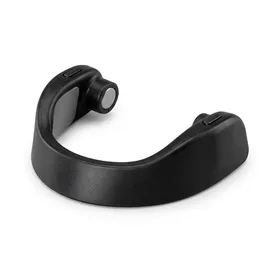
Intake Premier Nasal Dilator
Best for: Snoring reduction and nasal breathing support without mouth tape
A solid option for people who want to improve nasal breathing without taping their mouth shut. Best for mild to moderate nasal restriction and light snoring.
The Intake dilator works by physically widening the nasal valve (the narrowest part of the nasal airway) using a magnetic band system. It sits on the outside of the nose, pulling the sidewalls open to increase airflow. This addresses nasal breathing at the source: if more air flows through the nose, the body naturally keeps the mouth closed during sleep.
For people who are uncomfortable with the idea of mouth taping, or who have tried it and found it ineffective because their nasal passages were the bottleneck, a nasal dilator is a logical next step.
Mouth Tape vs. Nasal Dilator vs. Chin Strap: Which Approach Is Right?
Each anti-snoring approach targets a different part of the problem. Choosing the right one depends on why you snore or mouth-breathe in the first place.
Mouth tape works best for habitual mouth breathers who can breathe freely through their nose. It is the cheapest option and the simplest to try. Start with 3M Micropore tape (available at any pharmacy for under $5) or a purpose-built sleep tape strip. If you can comfortably breathe through your nose with your mouth closed while awake, mouth taping is a reasonable experiment.
Nasal dilators work best for people whose mouth breathing is caused by nasal restriction. If you notice that one or both nostrils feel partially blocked, or if you instinctively breathe through your mouth during exercise, a nasal dilator addresses the root cause. The Intake Premier is one of the better-reviewed options in this category.
Chin straps work best for CPAP users who experience mouth leak. They are rarely effective as a standalone snoring solution because they do not address airway issues. Most sleep specialists do not recommend chin straps as a primary intervention for snoring.
How to Try Mouth Taping Safely
If you decide to experiment with mouth taping, here is a straightforward protocol based on guidance from sleep medicine professionals:
-
Test nasal breathing first. Close your mouth and breathe through your nose for two minutes while awake. If this feels difficult or restricted, address the nasal issue before taping. A nasal dilator, saline spray, or ENT consultation may be needed.
-
Start with a small strip. Place a single vertical strip of 3M Micropore tape from just below the nose to just above the chin. Do not cover the entire mouth. This allows you to open your lips slightly if needed, reducing anxiety and providing a safety margin.
-
Try it during a nap first. A 20 to 30 minute daytime nap with tape gives you a low-stakes trial run. If you tolerate it well, try it overnight.
-
Use skin-safe adhesive. Medical-grade micropore tape is designed for sensitive skin. Avoid duct tape, athletic tape, or any adhesive not intended for skin contact. If irritation develops, discontinue use.
-
Do not use mouth tape if you have consumed alcohol or sedatives. These substances relax airway muscles and increase the risk of breathing obstruction. Taping under sedation compounds that risk.
-
Monitor results. Use a sleep tracking app or ask your partner to observe your snoring over the first week. If snoring does not improve, or if you consistently remove the tape in your sleep, mouth taping may not be the right solution for you.
Who Should Skip Mouth Taping Entirely
Mouth taping is not appropriate for everyone. Do not try it if:
- You have been diagnosed with obstructive sleep apnea (use your CPAP instead)
- You have chronic nasal congestion, a deviated septum, or nasal polyps
- You experience frequent nosebleeds
- You have a cold, sinus infection, or allergies causing nasal blockage
- You are under 18 (children should never use mouth tape without medical supervision)
- You have a skin condition affecting the lip or chin area
- You experience panic or claustrophobia at the idea of restricted mouth breathing
If you snore loudly enough to wake your partner, or if you experience daytime sleepiness, morning headaches, or gasping awakenings, schedule a sleep study before experimenting with any over-the-counter snoring product. These are potential signs of obstructive sleep apnea, which requires medical treatment.
The Verdict: Promising, but Not a Miracle
Mouth taping for sleeping is not the life-changing hack that social media sometimes makes it out to be, but it is not snake oil either. For the right person (a mild mouth breather with clear nasal passages and no sleep apnea), it is a low-cost, low-risk experiment that may genuinely improve sleep quality and reduce snoring.
The key is managing expectations. Mouth taping is a behavioral nudge, not a medical intervention. It works best as one piece of a broader sleep hygiene puzzle that includes consistent sleep schedules, a cool and dark bedroom, limited alcohol before bed, and proper nasal airway management.
If nasal restriction is part of your problem, consider starting with a nasal dilator like the Intake Premier before adding mouth tape. Addressing airflow at the source is almost always more effective than restricting the mouth as a workaround.
And if your snoring is severe, please skip the tape and talk to a doctor. A sleep study costs far less than the long-term health consequences of untreated sleep apnea.