Paris, 1870. On a gilded stage lit by gas and candle smoke, the leading lady takes her bow and the crowd never notices that she took the same bow, in the same gown, thirty years before their grandparents were born. The theatre's stars have not aged in a century. They would very much like to keep it that way.
What it's about
Sara Hinkley's troupe is a household of vampires who have survived the long way: quietly, artfully, feeding at the edges of a city too busy to count its missing. The theatre is their cover and their court, a place where being beautiful and slightly unreal is simply the job. Then a crop of reckless newcomers arrives with no patience for discretion, leaving bodies where the morning papers will find them. With the Franco-Prussian War gathering on the horizon and Paris already nervous, a single public corpse could unravel a hundred years of careful survival. The old guard has to decide whether to police their own kind or let the city do it for them, with fire.
Why everyone's talking about it
The pitch is doing a lot of the work here and it earns the attention. Historical horror is having a moment and Hinkley plants her fangs in a genuinely rich patch of it: a real war, a real city on the brink, monsters who behave less like beasts and more like an aging repertory company protecting its pension. Readers who loved the found-family menace of the Anne Rice tradition, or the slow institutional dread of period horror, are the natural audience. The theatre setting promises the good stuff: rivalry, spectacle, people who perform emotion for a living suddenly having to feel it.
If you want your vampires purely feral, or you came for wall-to-wall action, this may run cooler than you like. Hinkley's premise leans toward atmosphere, politics among the undead and the specific terror of exposure rather than the terror of the hunt. That is a feature for some readers and a filter for others. Know which one you are before you commit a weekend to 1870.
The verdict, for now
Read it if the phrase "vampire theatre troupe on the eve of war" made you sit up straighter, because that instinct is usually right about you. Wait for the paperback if historical settings tend to lose you by chapter three, since this one asks you to stay for the candlelight as much as the carnage. Either way, keep an eye on Hinkley: an author who can make a corpse in the street feel like a professional embarrassment is worth watching.
Read it if you loved
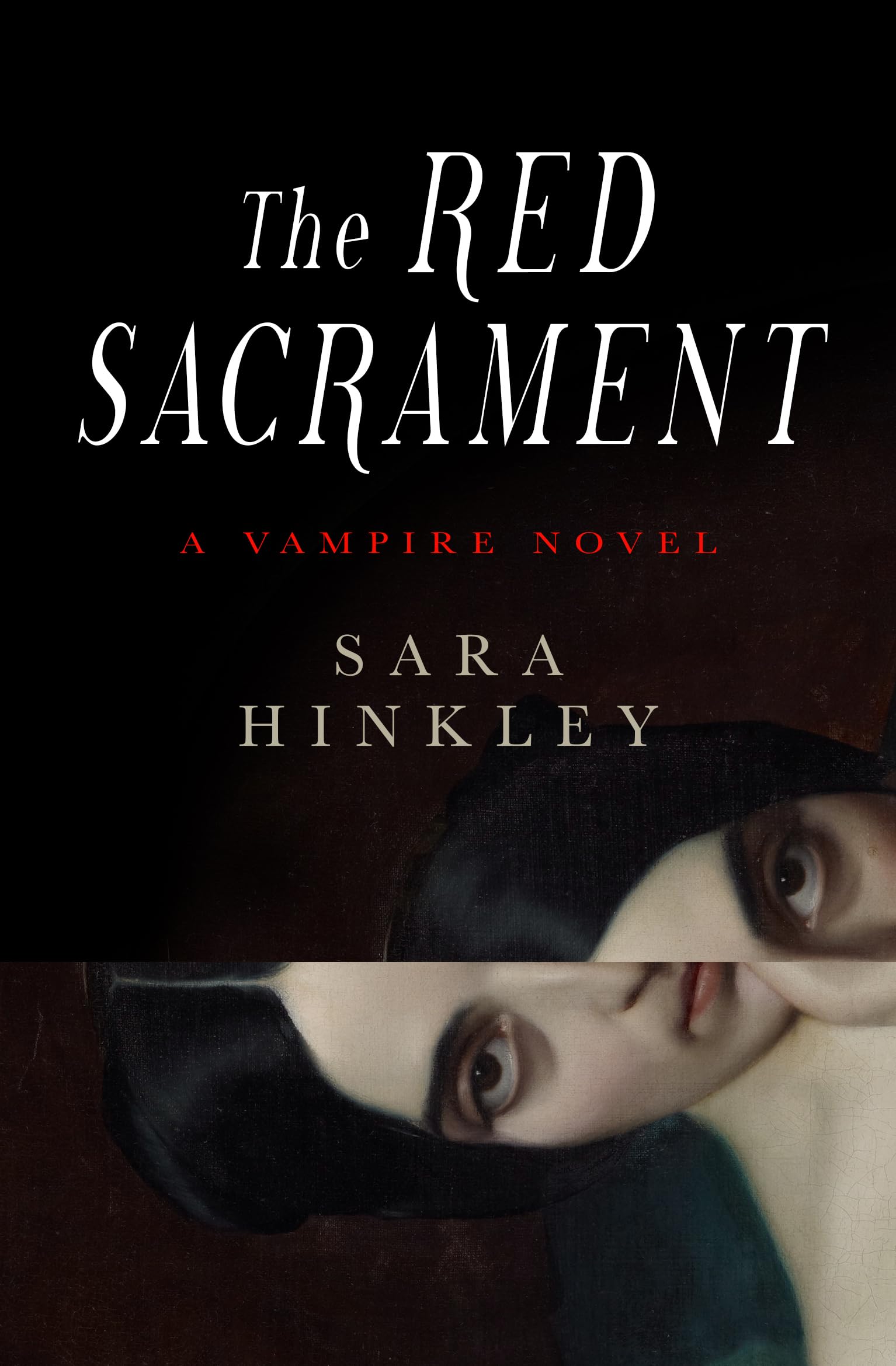
Ready to read The Red Sacrament?
Get it on Amazon →