Somewhere between a philosophy seminar and a hug sits The Midnight Library, one of the defining feel-good novels of the pandemic era. Matt Haig's 2020 bestseller asks the question most of us chew on at 3 a.m.: what would my life look like if I had chosen differently? Then it builds an entire library to answer it.
What it's about
Nora Seed is a thirty-five-year-old woman in Bedford, England, whose life is collapsing in slow motion. She loses her job. Her cat dies. Her band, her swimming career, her engagement: all of it lives in the past tense, filed under regret. At her lowest point she finds herself in a strange library suspended between life and death, watched over by a kindly librarian from her school days.
Every book on the infinite shelves holds a version of Nora's life in which one decision went the other way. Open one and she is a rock star; open another and she is an Olympic swimmer, a glaciologist, a pub owner, a mother. The rules are simple: she can stay in any life that truly fits her. The catch is that each borrowed existence arrives with its own compromises, which turns out to be precisely Haig's point about the lives we actually live.
Why everyone's talking about it
The novel arrived in late 2020, when readers were locked down with their own what-ifs, so the timing could hardly have been better. It won the Goodreads Choice Award for Fiction that year, camped out on bestseller lists, then found a second life on BookTok, where its quotable lines about regret still circulate endlessly. Haig has written openly about his own depression in Reasons to Stay Alive, which lends the novel's mental health themes a credibility that pure fable would lack. Millions of copies later, it remains a word-of-mouth staple in book clubs everywhere.
The verdict, for now
The Midnight Library is a comfort read with philosophical ambitions. Its warmth is genuine; so is its accessibility, which explains why it converts people who rarely pick up fiction. It is also, undeniably, message-forward. The lesson about regret gets stated outright rather than trusted to the story; the supporting characters in Nora's alternate lives stay thin; plenty of readers find the arc predictable from the opening chapters. Critics have also argued that the novel resolves depression a little too tidily for the subject's real weight. Take it as a fable rather than a clinical portrait and it works: a gentle, sincere book that meets many readers exactly where they are.
Read it if you loved
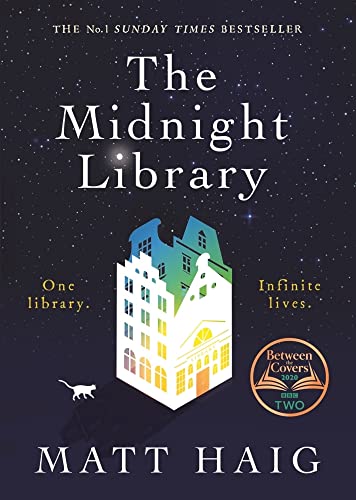
Ready to read The Midnight Library?
Get it on Amazon →