Before this book, Indian publishing had no shelf for the mythological thriller. Amish Tripathi, then a banker with no literary pedigree, was rejected by a long list of publishers before taking the unconventional route of giving away the first chapter free. The gamble worked spectacularly. The Immortals of Meluha became one of the fastest-selling debuts in Indian publishing history; the Shiva Trilogy it launched has sold millions of copies.
What it's about
The year is 1900 BC. Meluha is a near-utopian empire built by the descendants of Lord Ram, its citizens kept youthful by the Somras, a mysterious elixir. But the civilization is under threat: its sacred river is dying while terror attacks, blamed on the rival Chandravanshi kingdom with its feared Naga allies, grow bolder. An old prophecy promises a savior, the Neelkanth, a man whose throat will turn blue.
Enter Shiva, a rough-edged Tibetan tribal chief invited to immigrate to Meluha with his people. When the Somras turns his throat blue, he is hailed as the destroyer of evil, a title he neither wants nor understands. Tripathi's central conceit is the book's engine: Shiva is not a god here but a man, a marijuana-smoking warrior with doubts, a temper, an inconvenient love for Sati, a princess branded untouchable by Meluhan law. His legend, the trilogy argues, was earned rather than inherited.
Why everyone's talking about it
The book effectively created a genre. Its success opened the floodgates for mythological fiction in India, a category that now dominates the country's commercial bestseller lists. Tripathi quit banking to write full time; film adaptation rights have circulated for years. For a generation of Indian readers who rarely bought English-language fiction, this was the gateway book, passed around colleges and offices like contraband.
The verdict, for now
Be honest with yourself about what you're picking up. The prose is famously workmanlike; ancient warriors say things like "bloody hell," philosophical debates sometimes read like corporate offsites, transitions can be abrupt. Critics have never been kind on craft. But the ideas are genuinely bold. Recasting a god as a flawed migrant hero, interrogating what "evil" means when both sides believe their own myths, grounding it all in a speculative Indus Valley setting: that ambition covers many stylistic sins. If you can forgive the sentences, the story moves fast; the cliffhanger will send you straight to book two.
Read it if you loved
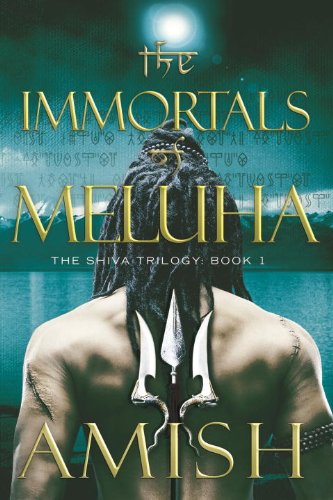
Ready to read The Immortals of Meluha?
Get it on Amazon →