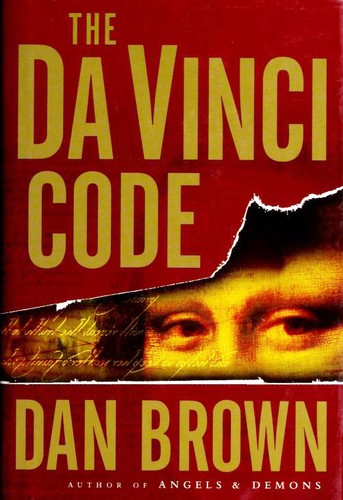
Some novels become bestsellers. The Da Vinci Code became a cultural event. Dan Brown's 2003 thriller sold tens of millions of copies, inspired a Tom Hanks film franchise, provoked official responses from the Vatican and spawned an entire shelf of books written purely to argue with it. Two decades later it remains the title people reach for when they talk about pure, unputdownable commercial fiction, whatever else they think of it.
What it's about
Harvard symbologist Robert Langdon is summoned to the Louvre in the middle of the night, where a curator has been murdered and has left a trail of codes on and around his own body. Together with French cryptologist Sophie Neveu, Langdon follows the clues into a conspiracy involving a secret society, the works of Leonardo da Vinci and a hidden truth about Christianity that powerful people have spent centuries protecting. The dead man turns out to be Neveu's estranged grandfather, which makes the chase personal as well as scholarly.
The novel is Brown's second to feature Langdon, after Angels & Demons, though it works fine as a standalone. The engine is the puzzle chain: anagrams, riddles, art history lectures delivered at gunpoint pace. Chapters are short, cliffhangers arrive on schedule and the whole chase unfolds over roughly a single day, which gives the book its relentless forward momentum.
Why everyone's talking about it
The controversy was marketing no publisher could buy. The book's central claims about Mary Magdalene, the early church and the Priory of Sion outraged religious groups, delighted conspiracy enthusiasts and sent historians scrambling to publish corrections. Whether readers came for the thriller or the theology, they came in numbers few novels have ever matched; the long argument over what was fact and what was fiction kept it in headlines for years after publication.
The verdict, for now
Nobody should read The Da Vinci Code for accurate history. Scholars have picked apart its claims thoroughly; the Priory of Sion material traces back to a documented twentieth-century hoax. The prose is also famously clunky, with critics singling out stiff dialogue and lecture-heavy exposition. What survives all of that is the plotting. Brown builds suspense with the discipline of a watchmaker, each short chapter clicking into the next. If you want a thriller that makes a long flight disappear and does not mind being argued with afterward, this is still the template. Just keep a skeptical eyebrow raised the whole way through.
Read it if you loved
Ready to read The Da Vinci Code?
Get it on Amazon →