Some mysteries get solved; this one gets argued about at dinner tables ninety years after publication. Murder on the Orient Express is Agatha Christie's most famous novel for a reason. It takes the classic puzzle mystery, seals it inside a snowbound luxury train, then delivers an ending so audacious that people who have never opened the book still know it exists, even if they refuse to say it out loud.
What it's about
Hercule Poirot, Christie's fastidious Belgian detective, boards the Orient Express expecting a quiet journey back to London. Instead, the train grinds to a halt in a snowdrift in the Balkans, cut off from the outside world. By morning, an American passenger named Ratchett is dead in his locked compartment, stabbed a dozen times. The wounds don't match. The clues contradict each other. The snow proves nobody left the train, so the murderer is still aboard.
What follows is Christie in pure puzzle mode: a carriage full of passengers from different countries, different classes, different stories, each interviewed in turn by Poirot. The dead man, it emerges, was not who he claimed to be; his past connects to a kidnapping case that echoes the real Lindbergh tragedy, which dominated headlines when Christie wrote the book in 1934. The genius is in how every alibi checks out perfectly. Too perfectly.
Why everyone's talking about it
The ending. It remains one of the most famous twists in crime fiction, imitated endlessly but never quite matched, which is why the book keeps getting adapted: the 1974 Sidney Lumet film with Albert Finney, the 2017 Kenneth Branagh version with its all-star cast, plus radio, stage, television. Each new adaptation sends a fresh wave of readers back to the source. The novel also poses a genuinely uncomfortable moral question about justice outside the law, one Poirot himself wrestles with, which gives the puzzle an aftertaste most whodunits lack.
The verdict, for now
Read it, ideally before someone spoils it. This is Christie's plotting at its peak: economical, misdirecting, fair to the attentive reader. That said, honesty requires the caveats. The characters are chess pieces more than people; several lean on national stereotypes that read poorly today. Raymond Chandler famously attacked the solution as implausible, a criticism that isn't wrong so much as beside the point. If you want gritty realism, look elsewhere. If you want the puzzle mystery in its most distilled, influential form, this is the one everything else gets measured against.
Read it if you loved
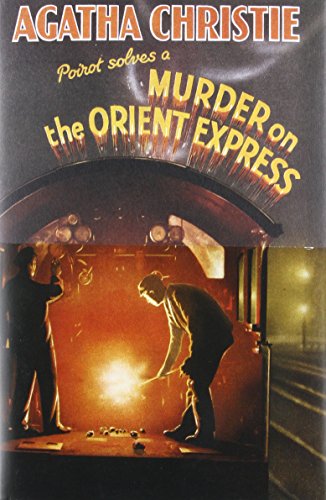
Ready to read Murder on the Orient Express?
Get it on Amazon →