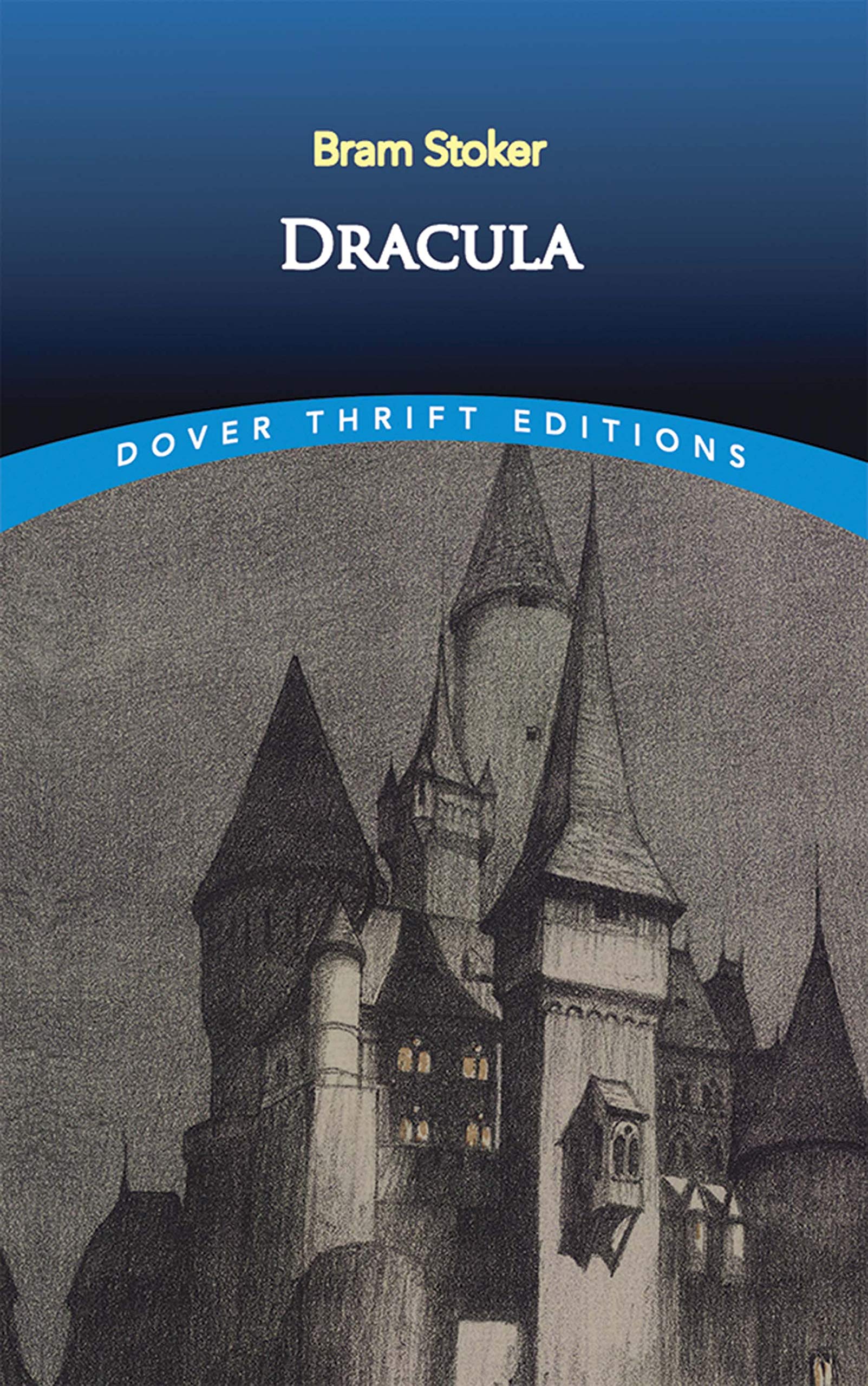
Before there were sparkling teenagers and brooding Louisiana aristocrats, there was one letter home from a nervous young lawyer in a foreign castle, describing a host who casts no shadow in the mirror. Dracula is the book that fixed the vampire in our imagination for good and more than a century of imitations have not dimmed how genuinely unsettling the original still is.
What it's about
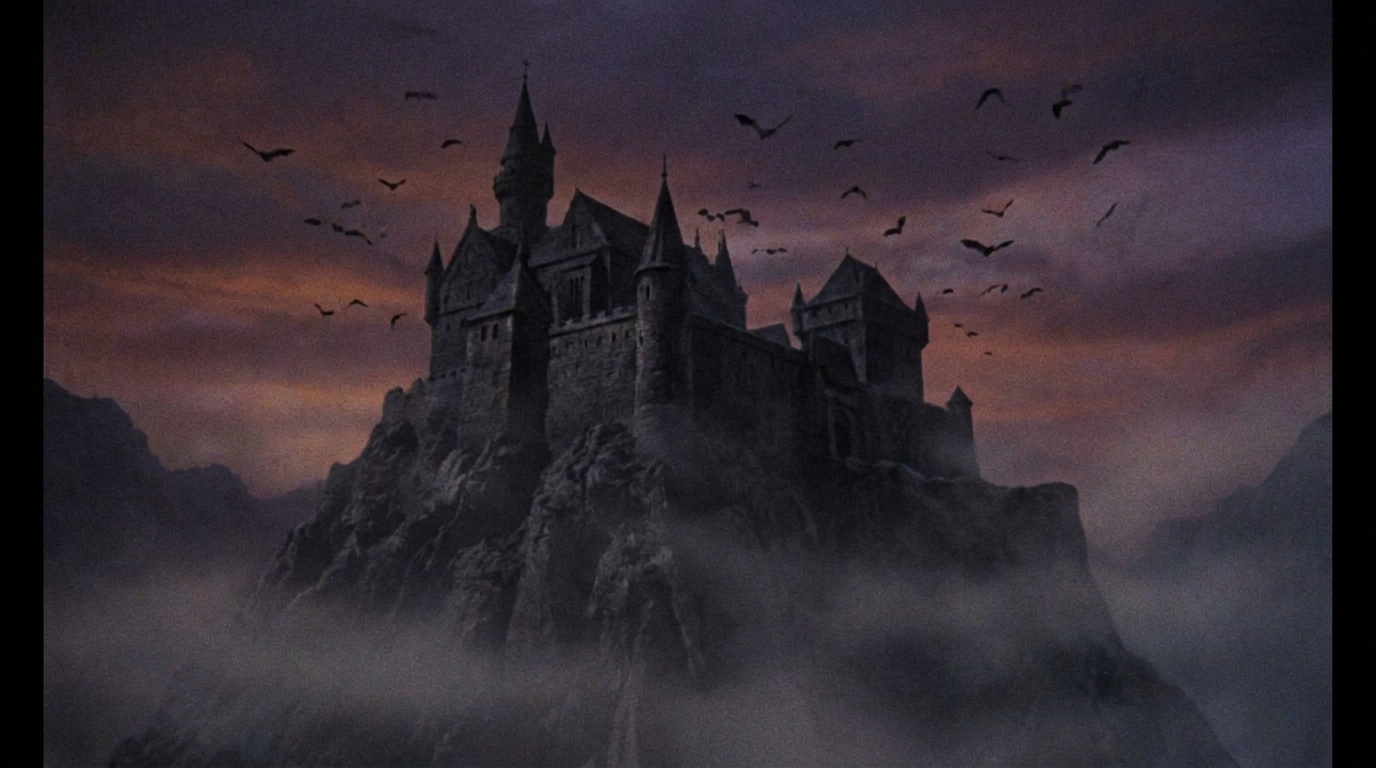
Jonathan Harker travels to the Carpathian Mountains to help a mysterious nobleman buy property in England and slowly realizes he is less a guest than a prisoner and less a client than livestock. Count Dracula is ancient, courtly and monstrous and once his business is done he sails for England to hunt in a bigger, richer feeding ground.
What he does not count on is a strange little fellowship: Harker, his fiancee Mina, a lovesick trio of suitors and above all Professor Van Helsing, the one man who recognizes an old evil when he sees it. Told entirely through letters, diary entries, telegrams and newspaper clippings, the novel builds its dread piece by piece, each narrator seeing only a fragment of the horror closing in. That fractured, documentary structure is the secret of why it still works: you assemble the monster in your own head.
Why everyone's talking about it
Dracula is having a renaissance, thanks to serialized read-alongs, hit adaptations and a growing appreciation that Stoker's original is stranger and richer than the tuxedoed pop-culture Count suggests. It practically invented the modern horror toolkit: the race against time, the expert who knows the rules, the evil that spreads like a contagion.
If you love atmosphere, slow-building dread and the pleasure of watching smart people piece together a nightmare, this is a feast. Readers should know the epistolary format means the pace ebbs and flows and the Victorian attitudes toward its women are very much of 1897. Read it for the mood and the machinery of fear, both of which every horror writer since has borrowed. The Carpathian chapters at the start are as good as gothic writing gets.
The verdict, for now
Read it, preferably after dark. Come for the castle and the count, stay for the clever, terrified friends racing to stop a plague with a face. The imitations are everywhere; the original is still the one that bites.
Read it if you loved
Ready to read Dracula?
Get it on Amazon →