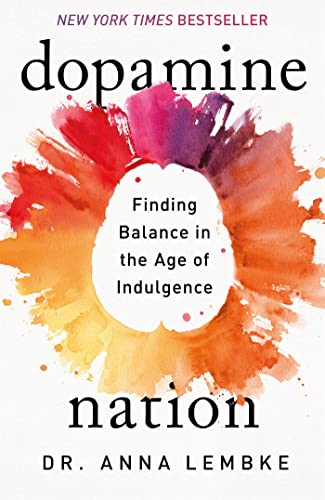
Anna Lembke runs the addiction medicine clinic at Stanford, which means she has spent decades sitting across from people whose lives were dismantled by heroin, gambling, romance novels or video games. Her argument in Dopamine Nation is uncomfortable in the best way: the difference between her patients and the rest of us scrolling at midnight is one of degree, not kind.
What it's about
The book's central metaphor is a balance. Pleasure and pain are processed in overlapping regions of the brain, Lembke explains; the system works like a see-saw that always seeks level. Every hit of pleasure tips the balance, then the brain compensates by tipping toward pain. Chase the hit repeatedly and the compensation grows stronger, which is why the tenth scroll, drink or purchase delivers less joy than the first while leaving you feeling worse at baseline. In a world engineered for frictionless reward, she argues, we are all running that loop.
Her prescriptions are old-fashioned by design. Abstinence for about four weeks resets the balance. Self-binding means building deliberate barriers between yourself and your drug of choice, whether that means a timer, a locked drawer or deleting an app. Radical honesty, she suggests, rewires the shame cycles that keep compulsion alive. She also makes a stranger claim: deliberately seeking hard things, like cold water or strenuous exercise, presses on the pain side first so the pleasure that follows is more durable.
Why everyone's talking about it
Published in 2021, the book landed exactly when pandemic-era screen time made everyone feel vaguely implicated. It became a bestseller, turned Lembke into a fixture on podcasts; her appearance in The Social Dilemma had already primed the audience. The patient stories carry the book. They are vivid, sometimes shocking, always told with unusual candor, including Lembke's own confession of a compulsive romance-novel habit that she treats with the seriousness of a clinical case.
The verdict, for now
Dopamine Nation earns its reputation as a framework book: once you see the pleasure-pain balance, you notice it everywhere, which is the mark of a sticky idea. It is also fair to say the neuroscience is simplified to the point that some researchers wince; "dopamine" does far more explanatory work here than the literature strictly supports. The advice chapters feel brief next to the diagnosis, so readers wanting a step-by-step protocol may finish hungry. Read it for the reframe and the case studies. Pair it with something more tactical if you want a plan.
Read it if you loved
Ready to read Dopamine Nation?
Get it on Amazon →