A body, a suspect everyone has already convicted in their heads and a stack of forensic reports that keep declining to cooperate. That is the trouble with evidence: it answers the question you asked, not the one you wanted answered. Jo Murray builds an entire debut around that gap and it is a satisfying place to live.
What it's about
The premise is deceptively tidy. There is a murder, there is a courtroom and there is a verdict the public has effectively pre-written. What Murray sets against that certainty is the slow, granular work of a legal case: the parsing of testimony, the reweighing of evidence, the small procedural moments where a story either holds or quietly comes apart. The title is a promise. This is a book interested in taking the machinery of a killing apart piece by piece to see what is actually load-bearing. The hook says it plainly: the verdict everyone wants is the one the evidence will not give. Beyond that, the pleasures are best met cold, so no spoilers here.
Why everyone's talking about it
Two things are generating the noise. First, this is a debut, which means Murray arrives without the baggage of an established formula and legal-thriller readers tend to reward a fresh voice that respects the genre's rules while pushing at them. Second and louder, is the reported news that the book is the basis for the next season of Apple TV's Presumed Innocent. That kind of adaptation attention tends to arrive early and travel fast and it puts a debut on shelves it might otherwise take years to reach.
Who this hits for: readers who like their thrillers procedural rather than pulpy, who enjoy watching a case get built and unbuilt and who do not mind sitting with ambiguity. Who should skip it: if you want a breathless chase and a clean confession by the last chapter, the deliberate, forensic pace may test your patience. This is a book that trusts you to stay in the room while the argument gets complicated.
The verdict, for now
If you already know you will watch the adaptation, reading first is the smarter play: the source tends to keep its texture in ways the screen compresses. If courtroom fiction is not usually your genre, this is a reasonable on-ramp, since the appeal here is character and doubt more than legal jargon. Either way, it is worth getting to before the casting news makes it impossible to avoid a spoiler at a dinner party.
Read it if you loved
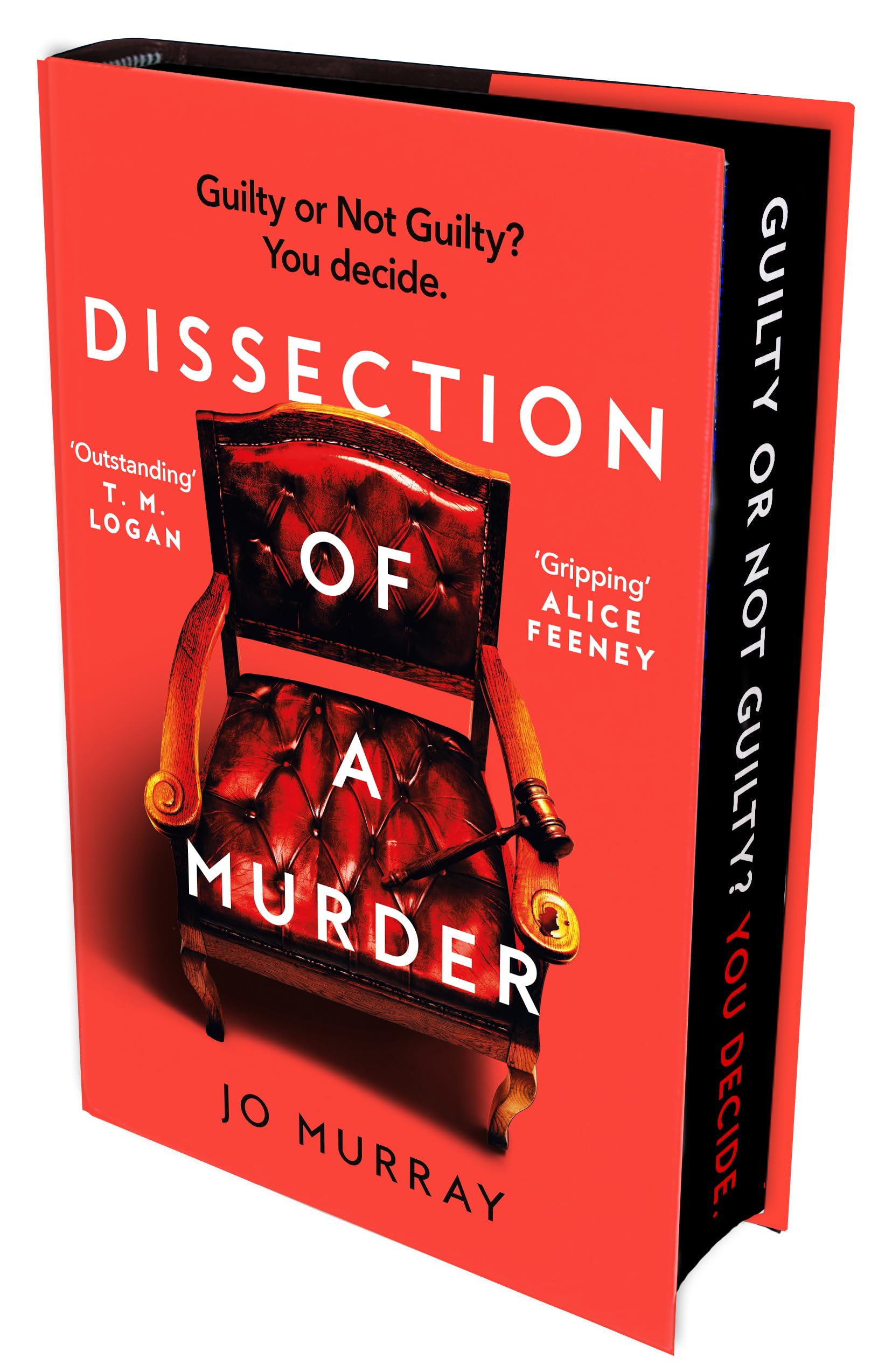
Ready to read Dissection of a Murder?
Get it on Amazon →