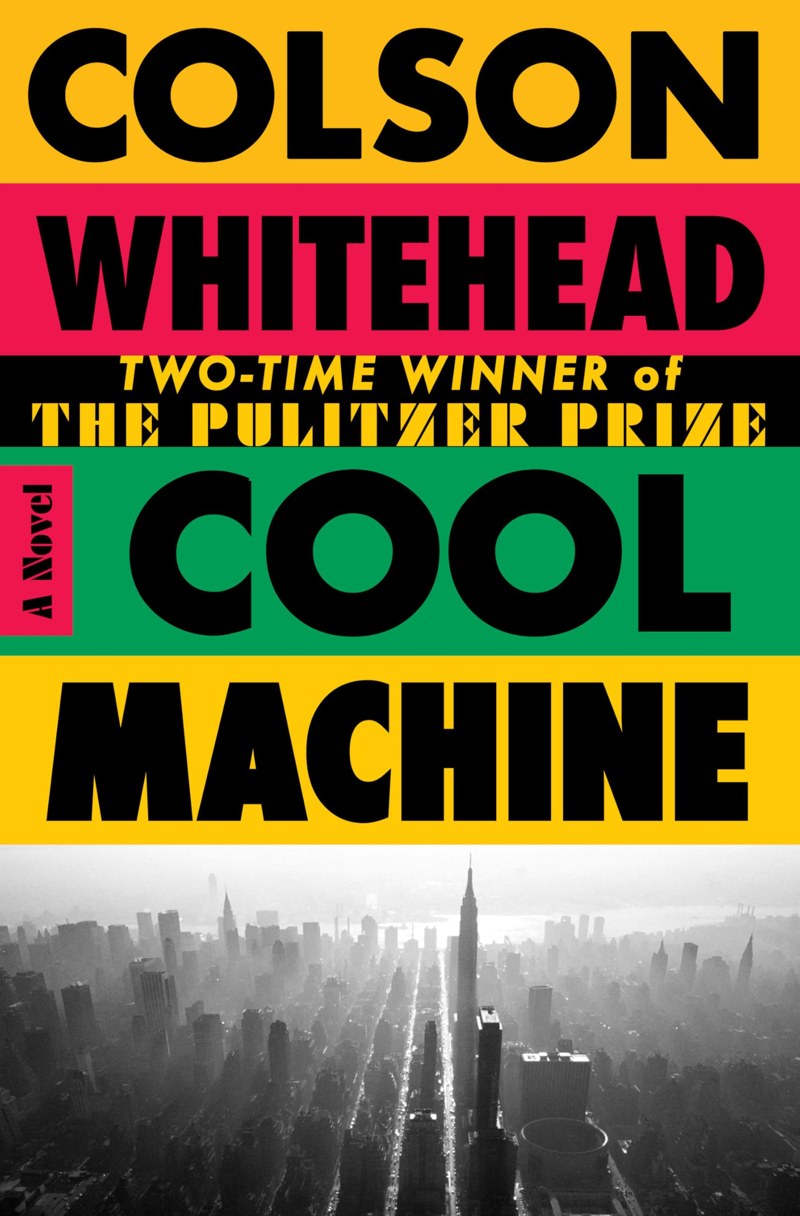
Nobody actually leaves the life. They just get better at pretending, until a phone rings, or a cousin turns up on the stoop, or the rent on a bigger showroom comes due. Ray Carney knows this better than most, which is precisely why 1980 was never going to let him sit still.
What it's about
Cool Machine closes out Colson Whitehead's Harlem Trilogy, the run that began with Harlem Shuffle and continued through Crook Manifesto. Ray Carney, furniture salesman by day and (once upon a time) a fence for stolen goods by night, has spent years going straight. The business is legitimate. The family is settled. And then, because this is a crime novel and because it is Ray Carney, one last job finds its way to his door.
The setting is New York in the early 1980s, a city sliding through blackouts, arson economics and the long hangover of the decade before. Whitehead has been using Carney's shop as a keyhole onto Harlem across three eras and here he brings the story to its final decade. The premise is simple enough to fit on a matchbook: a man who thought he was out gets pulled back in. What Whitehead does with that premise is the reason people keep showing up.
Why everyone's talking about it
Part of it is the man himself. Whitehead won back-to-back Pulitzers for The Underground Railroad and The Nickel Boys, then swerved into genre crime and made it look effortless, which annoyed exactly the right people. The trilogy has earned him a second, warmer readership: folks who came for the heist mechanics and stayed for the sentences.
This one lands hardest for readers who love a caper with a conscience, who want their crime fiction to double as social history and who have been following Carney since 1959. If you have never opened the first two books, you can technically start here, but you will feel like you walked into a family reunion halfway through the toast. Readers allergic to slow builds, or hoping for wall-to-wall gunfire, may find Whitehead too interested in furniture, marriage and municipal corruption to fully satisfy the itch.
The verdict, for now
Early buzz suggests a fitting close rather than a shocking one, which is arguably what a trilogy finale is supposed to be. If you are already in Carney's corner, this is a clear read, ideally after a quick reread of the first two. If you are new, start at the beginning and let this be the reward you are working toward. Either way, keep the couch cushions checked.
Read it if you loved
Ready to read Cool Machine?
Get it on Amazon →