
Amazon lists over 350 million products, but the best deals on Amazon are buried under layers of algorithmic noise, sponsored placements, and inflated "was" prices. Knowing where to look (and when to wait) can save you hundreds of dollars a year. This guide breaks down nine proven strategies for finding real Amazon deals today, including hidden pages most shoppers never visit, price history tools that expose fake discounts, and timing tactics that put you ahead of every major sale event.
Why Most "Deals" on Amazon Are Not Actually Deals
Before hunting for bargains, you need to understand how Amazon prices work. Sellers frequently inflate their list prices weeks before a sale, then apply a "discount" that brings the price back to normal. A 2024 study by Consumer Reports found that nearly 30% of Prime Day "deals" were priced the same or lower in the months before the event.
This does not mean good deals do not exist. They absolutely do. But you need tools and tactics to separate genuine price drops from marketing theater.
1. Use Amazon Price History Checkers Before Every Purchase
The single most valuable habit for finding best deals on Amazon right now is checking a product's price history before you buy. Services like CamelCamelCamel, Keepa, and our own price tracker tool show you exactly what a product has cost over the past 30, 90, or 365 days.
Here is what to look for:
- The current price versus the 90-day average. If the "deal" price sits above what similar highly rated products in the category list for, skip it.
- Seasonal pricing patterns. Many electronics hit their lowest prices during Prime Day (July) and Black Friday (November). If you are shopping in March, you can often wait.
- Price manipulation spikes. A sudden pricee increase followed by a "discount" back to normal is a red flag.
Install the Keepa browser extension for free. It adds a price history chart directly to every Amazon product page so you never have to leave the site to check.
2. Explore the Amazon Outlet Store (The Hidden Deals Page)
Most shoppers have never visited the Amazon Outlet, but it is one of the best sources for amazon hidden deals. This is where Amazon lists overstock and clearance items at steep discounts, often 20% to 50% off.
To find it, search "Amazon Outlet" in the search bar or navigate directly to amazon.com/outlet. You can filter by category, discount percentage, and customer rating.
The best categories to check in the Outlet include:
- Kitchen and home goods (frequent overstock from seasonal inventory)
- Electronics accessories (cables, cases, chargers)
- Clothing and shoes (end-of-season clearance)
- Toys and games (post-holiday surplus)
The inventory rotates constantly, so checking weekly gives you the best shot at finding something you actually need at a real discount.
3. Master Amazon Lightning Deals and Deal of the Day
Amazon lightning deals are time-limited promotions that typically last 4 to 12 hours or until inventory runs out. You will find them on the "Today's Deals" page (amazon.com/deals), which is also the best starting point for browsing amazon deals today.
Here is how to get the most from lightning deals:
- Set up deal alerts. In the Amazon app, tap "Upcoming Deals" and select "Watch this deal" on items you want. You will get a notification when the deal goes live.
- Shop early. Lightning deals have a claim bar showing what percentage has been claimed. Once it hits 100%, the deal is gone. Popular items sell out in minutes.
- Prime members get early access. If you have Prime, you get 30 minutes of early access on most lightning deals. This matters for high-demand electronics and toys.
The best lightning deals consistently appear on Mondays, Wednesdays, and Fridays. Amazon tends to front-load the week with stronger offers to drive midweek traffic.
The "Deal of the Day" section features a single deeply discounted product (or product bundle) available for 24 hours. These tend to be more curated and often represent genuine savings of 30% or more.
4. Stack Amazon Coupon Codes for Extra Savings
The amazon coupon codes page (amazon.com/coupons) is surprisingly underused. These are digital coupons you clip with a single click, and they stack on top of existing sale prices.
Categories with the most frequent coupon availability include grocery, beauty, health and household, and baby products. Savings range from 5% to 40% per item.
To maximize coupon stacking:
- Clip the coupon first, then check for Subscribe and Save. Combining a 20% coupon with a 15% Subscribe and Save discount on household essentials can bring the total savings above 30%.
- Sort by "Newest" to catch fresh coupons. New coupons appear daily, and the best ones get clipped quickly.
- Check category-specific coupon pages. Each department has its own coupon section with deals you will not find on the main page.
5. Find Quality Products Under Every Budget
Some of the best value on Amazon comes from products priced under common budget thresholds. Here are the best strategies for each price tier.
Amazon Deals Under $10
The sub-$10 range is full of everyday essentials and small accessories. Focus on items with high review counts (1,000 or more) to avoid low-quality impulse purchases. Categories that consistently deliver value at this price point include phone accessories, kitchen utensils, office supplies, and personal care items.
Amazon Deals Under $25
This is the sweet spot for gift ideas under $25 and everyday upgrades. Smart home devices regularly drop into this range during sales, and you can find excellent Bluetooth accessories, books, and home organization products year-round.
Amazon Deals Under $50
At this price tier, you start seeing meaningful discounts on electronics, small appliances, and premium home goods. The key is patience: items in the $50 to $80 range frequently drop below $50 during Prime Day, Black Friday, and random midweek lightning deals.
6. Smart Home Deals: A Case Study in Amazon Pricing
Amazon's own devices offer some of the most predictable deal patterns on the platform. Echo Dots, Fire TV Sticks, and Kindles follow a consistent cycle: full price for 2 to 3 months, then a sale that drops them 30% to 50%. If you understand the cycle, you never pay full price.
Here are three Echo Dot deals that illustrate different buying strategies:
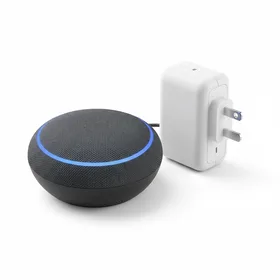
Echo Dot (3rd Gen) Bundle with Amazon Smart Plug
Best for: Best value bundle for smart home beginners
At $29.99 for both the speaker and smart plug, this bundle costs less than buying either device alone at full price.

Echo Dot (4th Gen) Smart Speaker with Alexa
Best for: Best standalone smart speaker under $25
The 4th Gen Echo Dot is the better speaker, but check price history first because it drops below $20 multiple times per year.

Echo Dot (3rd Gen) with Clock Display
Best for: Best bedside smart speaker with visible clock
Worth the premium if you want a bedside clock that also plays music, sets alarms, and controls your smart home.
The pattern here is clear: Amazon devices are almost always overpriced at their "regular" price. The 3rd Gen bundle at $29.99 is a solid deal right now, but if you can wait for Prime Day or Black Friday, every one of these devices will likely hit its historical low.
7. The Amazon Warehouse: Certified Deals on Open-Box Products
Amazon Warehouse deals offer pre-owned, open-box, and refurbished products at 20% to 40% off retail. Every item is inspected and graded by Amazon, and you get the same return policy as new products.
The grading system works like this:
- Like New: Original packaging may be damaged, but the product is untouched. Often 15% to 25% off.
- Very Good: Minor cosmetic imperfections. Product fully functional. Usually 20% to 35% off.
- Good: Shows signs of previous use. Fully functional. 30% to 50% off.
The best categories for amazon warehouse deals are electronics (headphones, tablets, smart home devices), kitchen appliances, and tools. Avoid warehouse deals on products where cosmetic condition matters to you, like phone cases or decorative items.
During Prime Day and Black Friday, Amazon applies an additional 20% discount on top of existing Warehouse prices. This is when you can score items at 50% to 60% off retail.
8. Amazon vs. Walmart: When to Shop Where
The amazon vs walmart prices debate does not have a single winner. Based on price comparison data, here is a general breakdown:
- Amazon wins on: electronics, smart home devices, books, niche products, and anything with Subscribe and Save pricing
- Walmart wins on: groceries, household essentials, basic clothing, and items eligible for free in-store pickup
- Check both for: toys, beauty products, and seasonal items (prices fluctuate independently)
The smartest approach is to check both retailers for any purchase over $20. Price matching apps like ShopSavvy and Google Shopping make this a 10-second process.
9. Time Your Purchases Around Major Sale Events
Amazon runs several major sale events throughout the year. Here is the 2026 calendar with advice on what to buy during each one:
- January (New Year Sale): Fitness gear, organization products, Echo devices
- March (Big Spring Sale): Home improvement, garden supplies, cleaning products
- July (Prime Day): Everything, but especially electronics, Amazon devices, and premium brands. This is the single best day for amazon prime day deals worth buying.
- October (Prime Big Deal Days): Early holiday shopping, toys, electronics
- November (Black Friday and Cyber Monday): The deepest discounts of the year across every category
- December (Last-Minute Holiday Deals): Gift cards, digital subscriptions, expedited shipping offers
Prime Day 2025 saw over 375 million items purchased worldwide, with the average Prime member saving more than $60. Electronics and Amazon devices accounted for the highest discount percentages, averaging 38% off.
Common Mistakes to Avoid
Trusting the "Was" price. Amazon's crossed-out list price is often inflated. Always verify with a price history tool.
Buying during a lightning deal without checking the price first. Some lightning deals offer only a 5% to 10% discount. That is not worth the urgency.
Ignoring Subscribe and Save. For products you buy regularly (coffee, cleaning supplies, vitamins), Subscribe and Save offers 5% to 15% off with free shipping. Cancel anytime.
Skipping the coupon page. It takes 30 seconds to browse amazon.com/coupons and clip relevant offers. Many shoppers leave money on the table simply because they do not know this page exists.
Panic-buying during Prime Day. The best Prime Day strategy is to build a wishlist weeks in advance and only buy items on your list that actually hit a new low price. Impulse purchases during sales events are how Amazon makes the most money.
Your Amazon Deal-Finding Checklist
Follow these steps before every Amazon purchase over $15:
- Check price history on CamelCamelCamel, Keepa, or our price tracker
- Visit amazon.com/coupons and clip any relevant coupon
- Check if Subscribe and Save is available (even for a one-time order, you can cancel after delivery)
- Compare the price on Walmart and Target
- If the price is not at or near its historical low, add it to your wishlist and set a price alert
- During Prime Day and Black Friday, revisit your wishlist and buy only items that hit new lows
Amazon remains the best single platform for online deals in 2026, but only if you use price history tools, clip coupons, and time your purchases around major sale events. The strategies in this guide can realistically save you $200 to $500 per year.