Trauma is one of the most important ideas in modern mental health and also one of the most misused, flattened into a buzzword by people with no training. These six books are the real thing. Every author is a psychiatrist or a clinician who has spent a career treating trauma and every one explains how it lives in the body and how healing actually works. If you want to understand trauma, your own or a loved one's, this is the credentialed shelf.
Please read this first: these are books, not treatment and trauma work is best done with a qualified professional. If reading about trauma brings up distress, go gently and consider working with a therapist. If you are in crisis, contact a crisis line or emergency services right away.
Quick picks:
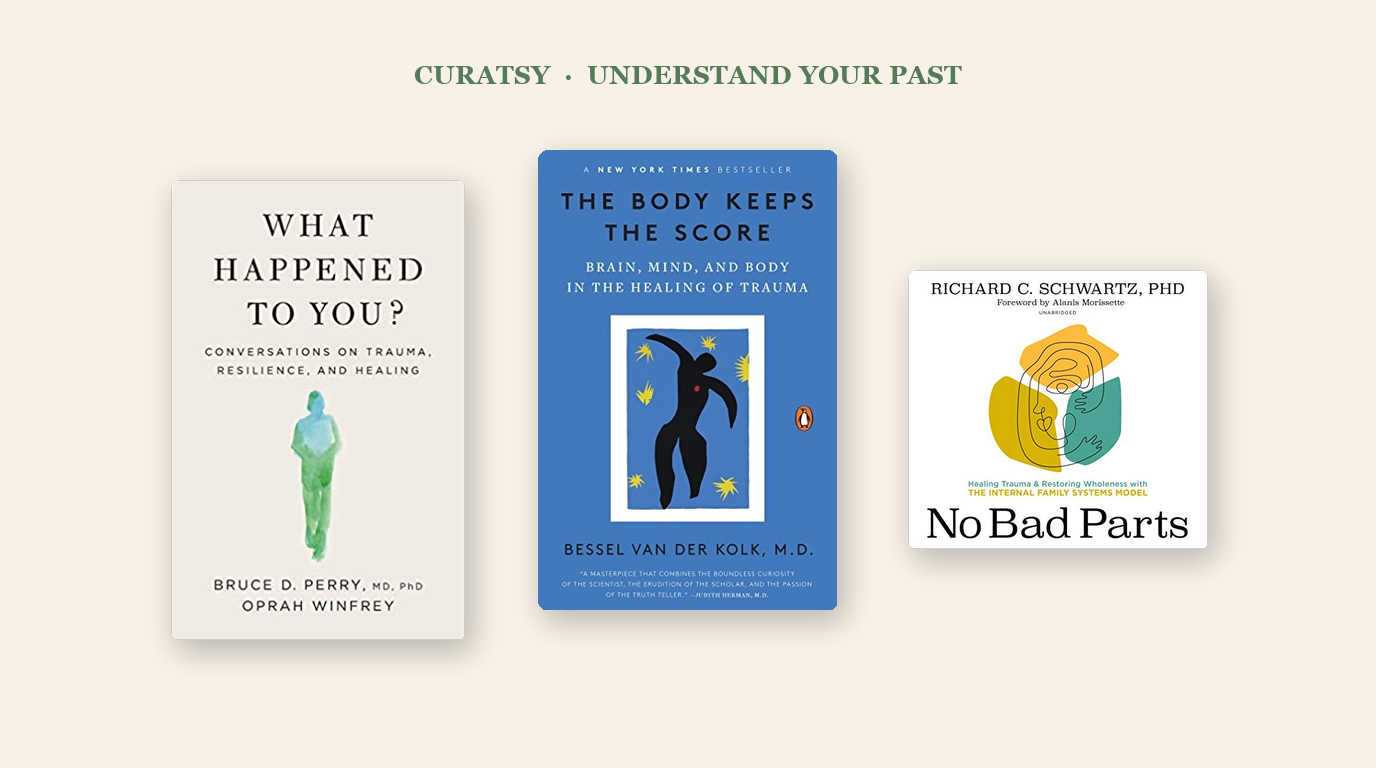
- The essential foundation: The Body Keeps the Score by Bessel van der Kolk, MD. View on Amazon
- The most accessible starting point: What Happened to You by Bruce Perry, MD, PhD. View on Amazon
- The gentlest healing approach: No Bad Parts by Richard Schwartz, PhD. View on Amazon
The foundational science of trauma
1. The Body Keeps the Score by Bessel van der Kolk, MD
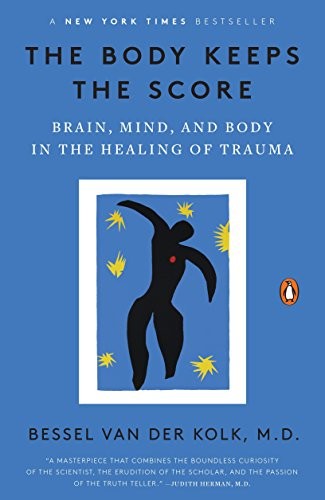
The Book That Defined the Field
Van der Kolk is a psychiatrist who spent decades treating trauma and this is the book that brought its science to a mass audience. Its central insight, that trauma is stored in the body and nervous system, not just the memory, reshaped how the whole field thinks. It is comprehensive, humane and the natural first read for anyone serious about the topic.
Read this if you loved: A single authoritative book that explains the whole landscape.
Honest note: It is long and can be heavy going, both emotionally and in length. Take it in sections. It rewards the effort more than almost any book on this list.
→ Buy on Amazon2. What Happened to You by Bruce Perry, MD, PhD
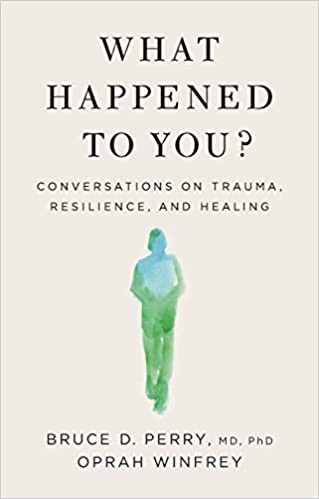
The Accessible Starting Point
Perry is a psychiatrist and neuroscientist and this conversation with Oprah Winfrey reframes the central question from "what is wrong with you" to "what happened to you." It is warmer and easier than The Body Keeps the Score, using stories to explain how early experiences shape the brain. The best gentle on-ramp to understanding trauma.
Read this if you loved: A compassionate, conversational introduction rather than a textbook.
Honest note: The dialogue format means it is less systematic than a straight text. That accessibility is exactly why it works as a first book.
→ Buy on Amazon3. When the Body Says No by Gabor Maté, MD
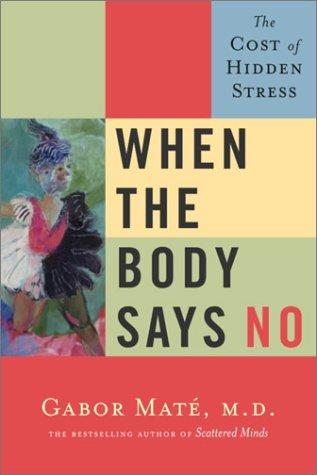
The Stress-Illness Connection
Maté is a physician who explores how chronic stress and buried emotion can affect physical health. This book makes the provocative, humane case that the mind and body are not separate and that unexpressed stress can show up as illness. It is the book for anyone who senses their physical symptoms and emotional life are connected.
Read this if you loved: A doctor taking the mind-body link seriously and compassionately.
Honest note: Some of the stronger stress-causes-disease claims run ahead of firm proof, so hold those loosely. The broader point about stress and health is well founded.
→ Buy on AmazonHealing approaches
4. No Bad Parts by Richard Schwartz, PhD
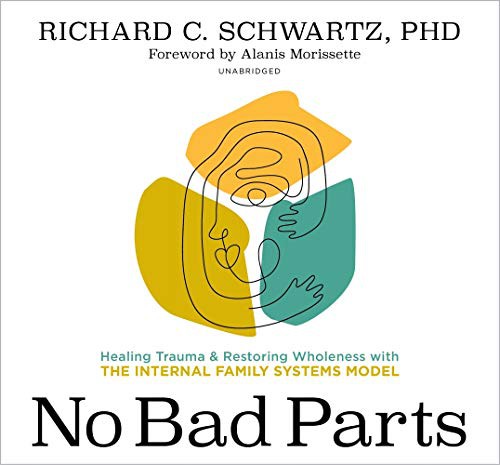
A Gentle, Powerful Method
Schwartz is the psychologist who developed Internal Family Systems, a therapy model that treats the mind as made of parts, each trying to protect you. This book teaches the approach directly and many readers find it a genuinely transformative way to relate to their own difficult emotions. It is practical healing you can begin to feel, not just understand.
Read this if you loved: A method you can start practicing on yourself right away.
Honest note: The parts framework sounds strange until it clicks and deeper trauma work still benefits from a trained IFS therapist. As an introduction, it is superb.
→ Buy on Amazon5. Adult Children of Emotionally Immature Parents by Lindsay Gibson, PsyD
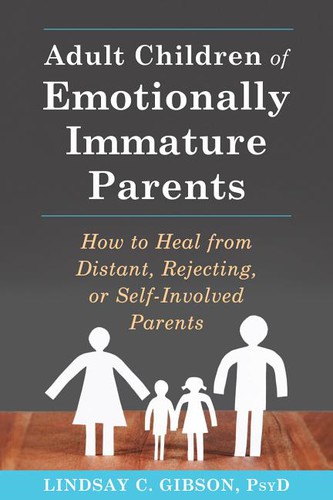
Naming a Very Specific Wound
Gibson is a clinical psychologist and this book gives language to a quieter kind of hurt: growing up with parents who were emotionally unavailable or immature. For the many people whose childhood was not dramatic but left them lonely and self-doubting, it is a clarifying, validating read that explains patterns they have carried for years.
Read this if you loved: A book that finally names something you struggled to describe.
Honest note: It is narrowly focused on one dynamic, which is its strength. If that dynamic is not yours, other books here will resonate more.
→ Buy on Amazon6. It Didn't Start with You by Mark Wolynn
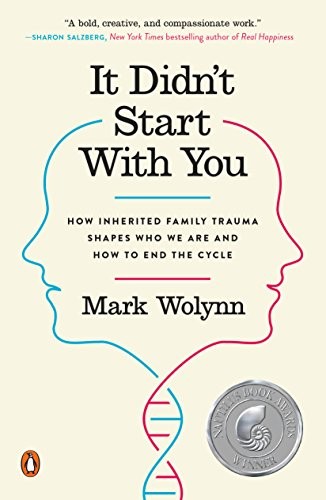
How Family Patterns Get Passed Down
Wolynn directs a family-trauma institute and this book explores inherited family trauma, the ways pain and patterns pass across generations. It offers practical exercises to trace and interrupt those inherited patterns. For anyone who feels they are carrying something older than their own life, it is a compelling, hopeful read.
Read this if you loved: The idea that some of what you carry began before you did.
Honest note: The inherited-trauma science is still emerging, so treat the epigenetics claims as intriguing rather than settled. The practical exercises are valuable regardless.
→ Buy on AmazonHow we chose these
We held to our rule: if we could not verify the author's clinical or research credential in about two minutes, the book did not make the list. What remains is a set of psychiatrists, a neuroscientist and clinical psychologists who treat trauma for a living. No trauma influencers, no unqualified voices flattening a serious subject into content.
Prefer to listen? What Happened to You works especially well as an audiobook. If you do not have a subscription yet, an Audible trial gets you the first listen at no cost.