The research keeps landing on the same conclusion: after 40, maintaining muscle and strength is one of the single most powerful things you can do for how long and how well you live. And the strength-training world is a minefield of bro-science and injury bait. These six books are the antidote. Every author is a barbell physician, a sports scientist, or a doctor of physical therapy and every one teaches you to get genuinely stronger without wrecking yourself in the process.
A note before you buy: these are books, not medical advice. If you are new to lifting, have a heart condition, or are recovering from injury, clear it with your doctor and consider a few sessions with a qualified coach. These reads are the knowledge, not a substitute for professional guidance.
Quick picks:
- The best place to start after 40: The Barbell Prescription by Jonathon Sullivan, MD, PhD. View on Amazon
- The foundational how-to: Starting Strength by Mark Rippetoe. View on Amazon
- The best for women over 40: Roar by Stacy Sims, PhD. View on Amazon
Start here after 40
1. The Barbell Prescription by Jonathon Sullivan, MD, PhD
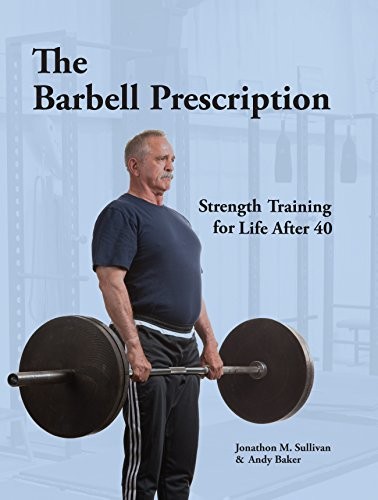
Strength Training, Written for the Over-40 Body
Sullivan is an emergency physician with a PhD who co-wrote the definitive case for barbell training as medicine for aging adults. This is the book that reframes strength training not as vanity but as the most effective intervention against the frailty, falls and decline that define getting old badly. It gives you the why, backed by physiology and a real program tailored to a body over 40.
Read this if you loved: The idea that a barbell is the closest thing to an anti-aging drug we have.
Honest note: It is detailed and unapologetically pro-barbell. If you are certain you will never touch a squat rack, some of it will not apply, but the argument might just change your mind.
→ Buy on Amazon2. Starting Strength by Mark Rippetoe
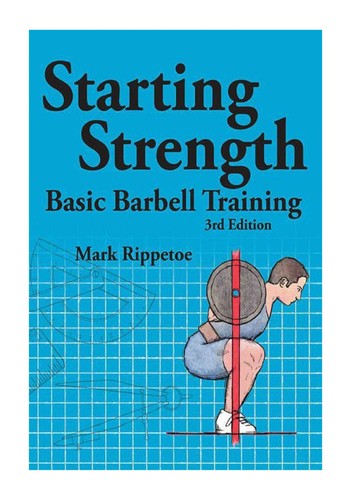
The How-To Bible of Barbell Training
Rippetoe is among the most influential strength coaches alive and Starting Strength is the reference manual for the basic barbell lifts. Nothing else explains the squat, press, deadlift and bench with this level of coaching detail. If The Barbell Prescription convinces you to lift, this is the book that shows you exactly how, rep by rep.
Read this if you loved: A proper manual you return to every time your form drifts.
Honest note: It is technical and dense, a textbook rather than a page-turner and Rippetoe is famously blunt. Use it as a lookup reference, not a linear read.
→ Buy on AmazonTrain for specific goals
3. Glute Lab by Bret Contreras, PhD
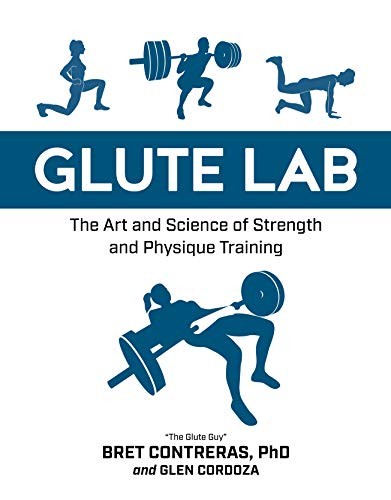
The Science of Building Your Foundation
Contreras earned a PhD in sports science studying exactly one thing better than anyone: how to build the glutes and posterior chain, the muscles that protect your back and hips as you age. Glute Lab is the evidence-based, beautifully illustrated guide to lower-body strength, useful whether your goal is performance, aesthetics, or simply a body that does not break down.
Read this if you loved: A single expert going deep on the muscles that matter most for staying mobile.
Honest note: It is focused on the lower body, so pair it with Starting Strength for full-body programming. Within its lane, it is unmatched.
→ Buy on Amazon4. Roar by Stacy Sims, PhD
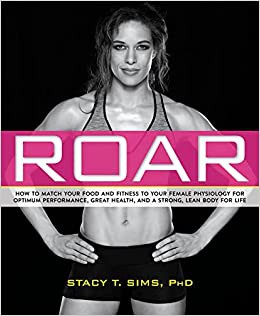
Training Written for Women's Physiology
Sims is an exercise physiologist whose research made the case that women are not small men and should not train and eat like them. Roar translates that science into practical guidance on strength, fueling and recovery tuned to female physiology, which becomes especially important through the 40s and into menopause. It is the essential strength-and-nutrition book for women.
Read this if you loved: Advice that finally accounts for how your body actually works.
Honest note: It ranges beyond pure strength into nutrition and hormones, which is the point. For a companion focused on the menopause transition specifically, Sims wrote a follow-up too.
→ Buy on AmazonStay injury-free
5. Becoming a Supple Leopard by Kelly Starrett, DPT
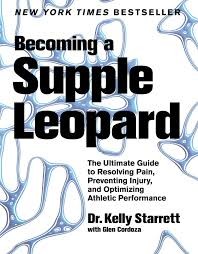
The Mobility Manual for Lifters
Starrett is a doctor of physical therapy who taught a generation of athletes how to move without pain. Supple Leopard is the encyclopedic guide to mobility, positioning and undoing the tightness that lifting and aging both create. It is the book that keeps you lifting into your 50s and beyond by fixing the movement faults that cause injury.
Read this if you loved: A reference you consult for whichever joint is barking today.
Honest note: It is huge and reference-style, not a cover-to-cover read. Think of it as a troubleshooting manual for your body.
→ Buy on Amazon6. Rebuilding Milo by Aaron Horschig, DPT
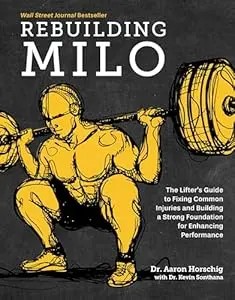
Fix the Pain, Keep Lifting
Horschig is a doctor of physical therapy and former competitive weightlifter and Rebuilding Milo is the practical playbook for diagnosing and fixing the common aches that come with lifting: cranky knees, sore shoulders, a tweaky lower back. Rather than telling you to stop, it shows you how to train around and rehab the problem, which is exactly what an over-40 lifter needs.
Read this if you loved: A physical therapist who wants you lifting, not resting.
Honest note: It is a manual to reference by body part, not a straight read. And genuine injuries still warrant a real appointment, this is for the everyday niggles.
→ Buy on AmazonHow we chose these
We applied the same rule as the rest of our health lists: if we could not verify the author's credential from a publisher or university bio in about two minutes, the book did not make the list. What remains is a barbell physician with a PhD, two doctors of physical therapy, a sports-science PhD, an exercise physiologist and the most influential strength coach in the world. No supplement hustlers, no injury-bait influencers.
Prefer to listen? Roar and The Barbell Prescription both work well as audiobooks for the drive to the gym. If you do not have a subscription yet, an Audible trial gets you the first listen at no cost.
Knowledge is half of it. The other half is a place to train. Once you know the lifts, see our companion guide to the best home strength gear under $150, the adjustable dumbbells, kettlebells and bands that build a real home gym without a commercial membership.