A handful of health books did more than inform; they changed how millions of people sleep, eat, move and think. These ten are that modern canon, spanning sleep science, longevity, trauma, habits and stress, each written by a leading expert and each a genuine landmark. If you read only a few health books in your life, make them these.
Quick picks:
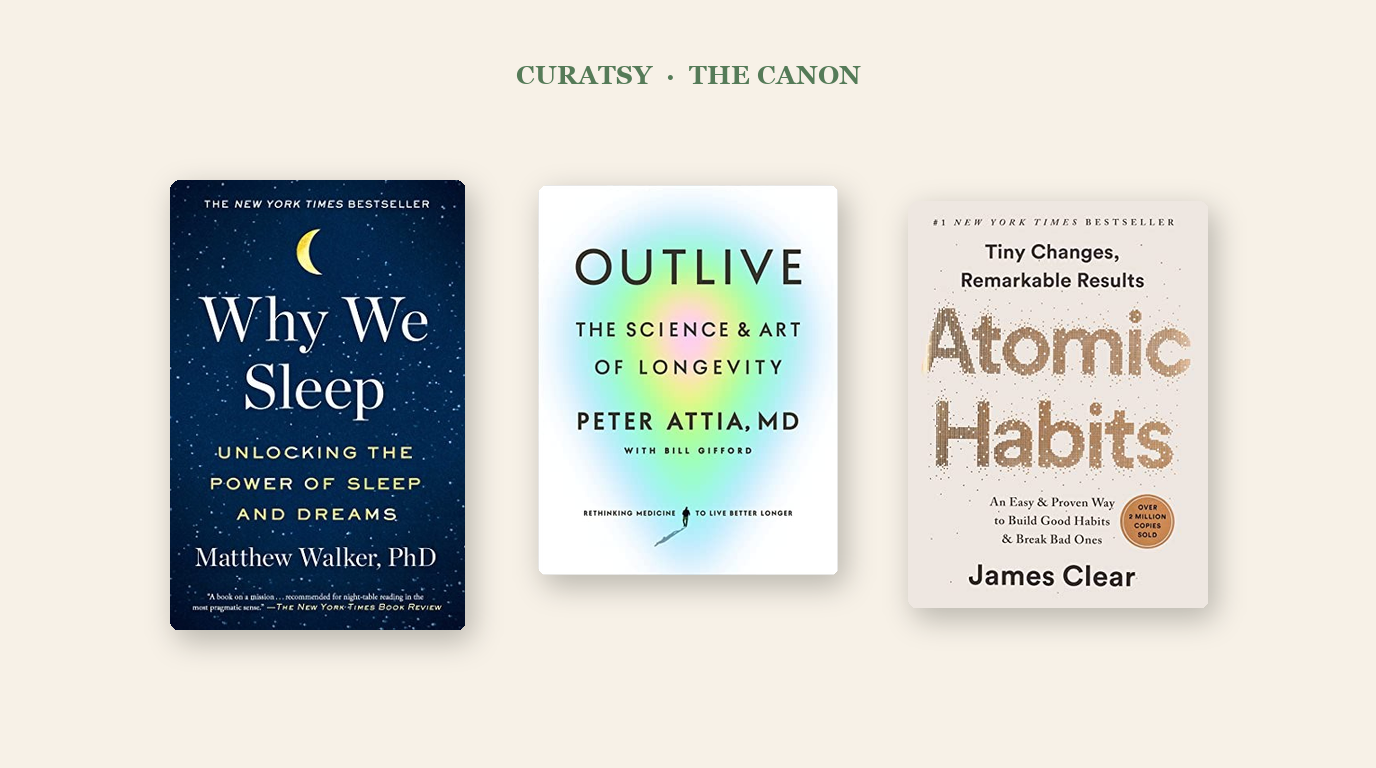
- Most influential: Why We Sleep by Matthew Walker. View on Amazon
- Best on longevity: Outlive by Peter Attia. View on Amazon
- Best on change: Atomic Habits by James Clear. View on Amazon
The landmarks
Why We Sleep by Matthew Walker
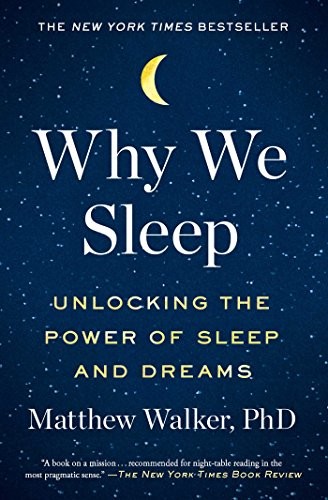
Matthew Walker is a neuroscientist (PhD) and sleep researcher. The blockbuster that made the world take sleep seriously, explaining what sleep does and why losing it wrecks nearly every system in the body. Alarming and unforgettable.
Best for: Understanding why sleep matters.
→ View on AmazonOutlive by Peter Attia
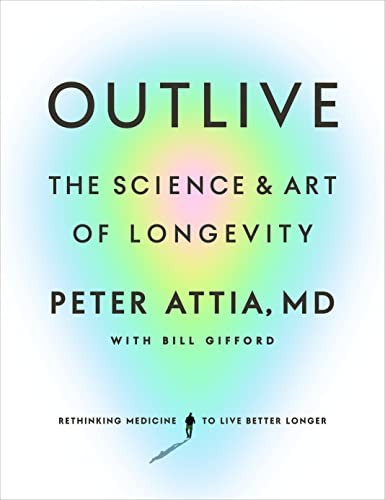
Peter Attia is a physician (MD) focused on longevity. The landmark modern manual for living longer and healthier, covering exercise, nutrition, sleep and emotional health with real rigor. The longevity book to own.
Best for: The complete longevity playbook.
→ View on AmazonThe Body Keeps the Score by Bessel van der Kolk
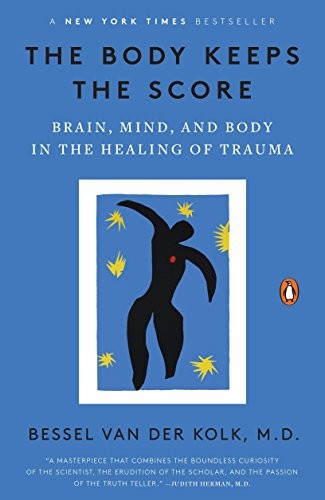
Bessel van der Kolk is a psychiatrist (MD). The landmark book that brought trauma science to a mass audience, showing how trauma lives in the body. The essential foundation.
Best for: Understanding how trauma works.
→ View on AmazonAtomic Habits by James Clear
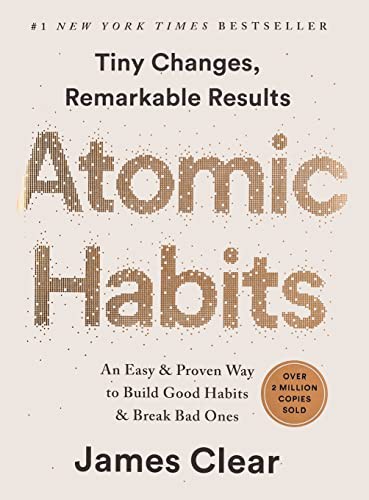
James Clear is a habits writer (labeled non-academic). The clearest, most usable system for building good habits and breaking bad ones, distilled from behavior research. The default habit book.
Best for: A practical habit system.
→ View on AmazonHow Not to Die by Michael Greger
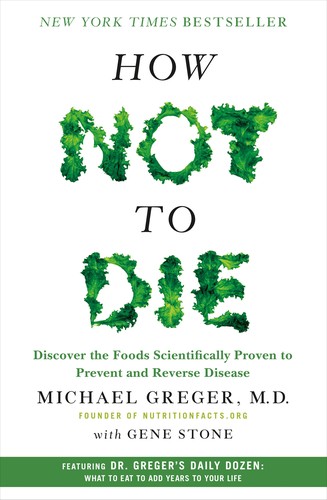
Michael Greger is a physician (MD). An exhaustively cited, plant-forward guide to eating for disease prevention, organized by the leading causes of death. Dense and evidence-packed.
Best for: Eating to prevent disease.
→ View on AmazonMind and body
Breath by James Nestor
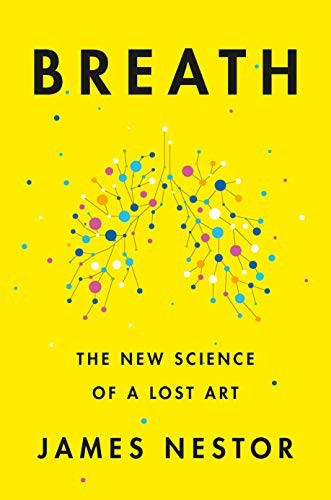
James Nestor is a journalist. A surprising, well-reported case that how you breathe affects health, sleep and stress more than you think. Fascinating and clearly journalism.
Best for: The overlooked power of breathing.
→ View on AmazonWhy Zebras Don't Get Ulcers by Robert Sapolsky
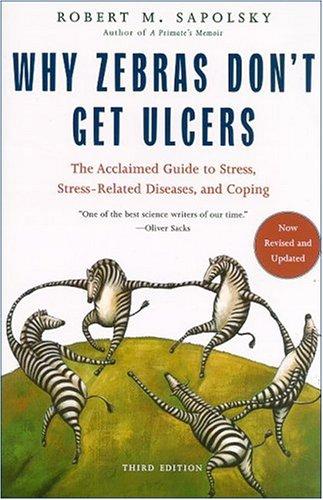
Robert Sapolsky is a Stanford neuroscientist (PhD). The classic, witty explanation of why chronic stress wrecks the body built for short-term danger. The single best book on stress.
Best for: The definitive book on stress.
→ View on AmazonFeeling Good by David Burns
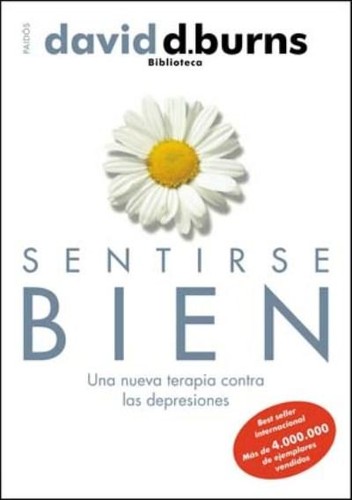
David Burns is a psychiatrist (MD). The bestselling classic that brought cognitive behavioral therapy to the public and helped millions with depression and anxiety. Still the CBT self-help standard.
Best for: The CBT self-help classic.
→ View on AmazonThe Obesity Code by Jason Fung
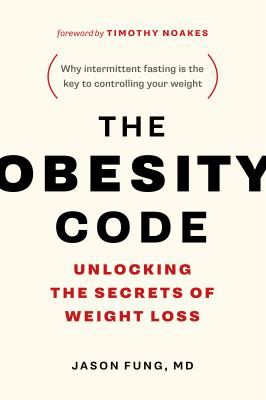
Jason Fung is a nephrologist (MD). The influential argument reframing weight as a hormonal (insulin) problem rather than simple calories and the case for fasting. Debated but pivotal.
Best for: Rethinking weight and insulin.
→ View on AmazonSpark by John Ratey
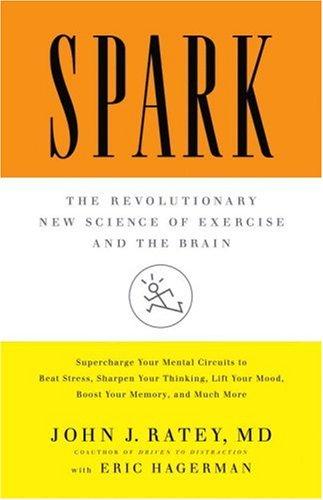
John Ratey is a psychiatrist (MD). The landmark book on how exercise transforms the brain, mood and learning, backed by neuroscience. The definitive exercise-and-brain read.
Best for: Exercise for the brain and mood.
→ View on AmazonHow we chose these
We hold to a simple rule: if we cannot verify an author's credential (MD, PhD, RD, DPT, PsyD, or licensed clinician) from a publisher or university bio in about two minutes, the book does not make the list, with clearly labeled exceptions for a few excellent journalist-authored titles. No cure-all claims, no anti-science, no wellness influencers. We describe and compare these books to help you choose; we do not reproduce their contents.
Please note: these are books, not medical advice. Everyone's health is different. For your specific situation, talk to your doctor before acting on anything you read.